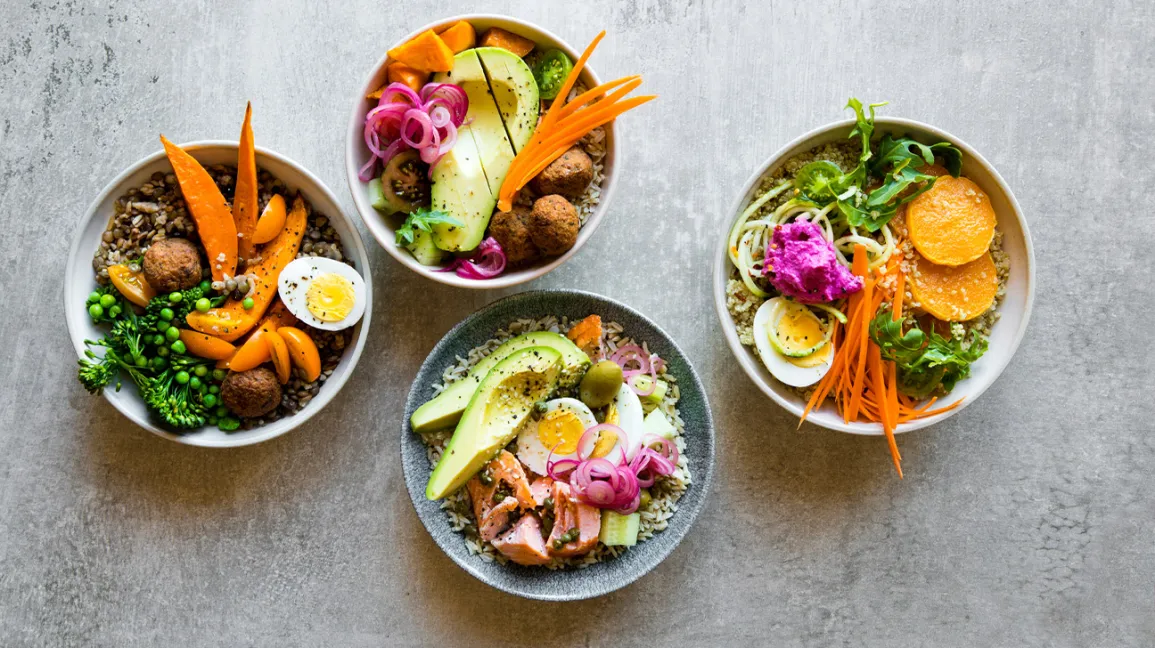
Hey there, friend. I remember the day I decided enough was enough with the extra pounds sneaking up on me after years of desk-jockey life and late-night stress eating. It wasn’t about crash diets or gym marathons that left me sore and starving—nope. It was swapping in simple, satisfying foods that made me feel full without the guilt. If you’re staring down that same mirror moment, wondering how to drop weight without ditching joy from your plate, you’re in the right spot. These aren’t magic bullets, but real, everyday eats backed by solid science from places like Harvard and Mayo Clinic. Let’s chat about 11 powerhouse foods that can nudge your body toward shedding those stubborn layers, one delicious bite at a time.
Drawing from my own trial-and-error (hello, failed kale-only week), and what experts swear by, these picks focus on fiber, protein, and healthy fats. They keep hunger at bay, steady your energy, and yes, help create that gentle calorie deficit for sustainable weight loss. Think of it as fueling up smart, not starving. Ready to build a plate that works for you?
Why These Foods Make Weight Loss Feel Effortless
You know that post-meal slump where you swear you’ll never eat again, only to raid the fridge an hour later? Yeah, me too. The secret sauce here is choosing foods that play nice with your body’s natural signals—ones loaded with volume but light on calories, or packed with nutrients that say “slow down” to your appetite. Studies from the Journal of the Academy of Nutrition and Dietetics show that bumping up beans or berries can link straight to more pounds lost over time. It’s not restriction; it’s clever crowding out the junk.
In my journey, starting with just two of these a day turned “hangry” into “handled.” No more yo-yo crashes. These 11 aren’t random—they’re top-rated for satiety (that full feeling) and backed by research from spots like Healthline and WebMD. We’ll dive into each, with tips on weaving them in without fancy meal prep. And hey, if you’re chuckling at the thought of loving your food again, that’s the point—weight loss should spark joy, not dread.
Eggs: The Protein Powerhouse That Curbs Morning Cravings
Waking up to a fluffy omelet instead of a sugary cereal bowl changed my breakfast game forever. Eggs top the Satiety Index for good reason—they’re nutrient-dense, with about 6 grams of protein per egg that keeps you satisfied for hours. A 2020 study in the International Journal of Environmental Research and Public Health found folks who started their day with eggs felt fuller longer than those grabbing bagels, leading to fewer calories later.
Boil ’em, scramble ’em, or poach—versatile and under 80 calories each. I once powered through a hectic workday on two hard-boiled eggs and some spinach, no mid-morning donut temptation in sight. They’re cheap, quick, and loaded with vitamins like B12 for energy without the crash.
Avocados: Creamy Fats That Fool Your Hunger
Picture this: Slicing into a ripe avocado, its buttery green goodness spilling out like a hug from your fridge. I was skeptical at first—fats for weight loss? But monounsaturated fats in avocados slow digestion, stabilizing blood sugar and dialing down cravings. Research from the Nutrition Journal links half an avocado a day to better weight management and less belly fat over 12 weeks.
At just 160 calories per fruit, mash it on toast or toss in salads for that rich mouthfeel without the heaviness. My “avocado toast upgrade” with a poached egg became my weekend ritual—satisfying enough to skip brunch buffets. Pro tip: Buy firm ones and let ’em ripen on your counter for peak creaminess.
Beans and Legumes: Fiber Friends for Steady Fullness
Oh, beans—humble heroes that saved many a dinner in my pre-weight-loss era. These little powerhouses pack 7-15 grams of fiber per half-cup serving, which bulks up in your gut to signal “enough already.” A 2022 study in the Journal of the Academy of Nutrition and Dietetics tied higher bean intake to greater weight loss, plus perks like lower cholesterol.
Black beans, chickpeas, lentils—swap ’em for rice in burritos or blend into soups. I laughed when my first lentil curry left me stuffed till bedtime; no late-night snacks needed. They’re versatile, budget-friendly, and turn any meal into a gut-happy feast. Rinse canned ones to cut sodium, and you’re golden.
Berries: Sweet, Low-Cal Treats That Fight Fat
Berries aren’t just pretty—they’re pint-sized antioxidants that make weight loss taste like dessert. Strawberries, blueberries, raspberries: under 60 calories per cup, yet bursting with fiber (4-8 grams) that slows sugar absorption. Harvard’s long-term studies show berry eaters have lower obesity risks, thanks to compounds that tweak fat-burning genes.
Toss ’em in yogurt or smoothies for that tart-sweet pop. During my berry phase, a handful mid-afternoon killed my cookie urges dead—plus, who doesn’t smile at purple-stained fingers? Frozen ones work year-round; blend with spinach for a “green” smoothie that sneaks in veggies without the grass taste.
Nuts: Crunchy Snacks That Stabilize Your Snacking
Remember cracking open a bag of almonds and actually stopping at a handful? Nuts like almonds and walnuts deliver 4-7 grams of protein and fiber per ounce, plus healthy fats that curb overeating. A meta-analysis in the New England Journal of Medicine found nut munchers lost more weight over five years than non-nutters, despite similar calories.
Portion to an ounce (about 23 almonds) to keep it light at 160 calories. I keep a trail mix jar handy—nuts with dried berries—for desk days when boredom bites. The crunch satisfies that “chew me” itch better than chips, and omega-3s in walnuts boost heart health too. Just skip the salted varieties to avoid puffiness.
Leafy Greens: Volume Without the Calories
Spinach, kale, Swiss chard—these greens are like nature’s filler-uppers, 90% water with fiber that expands in your belly. Mayo Clinic research highlights how low-cal veggies like these help you eat more food overall while cutting calories, leading to effortless loss. One cup cooked spinach? Just 40 calories but 4 grams of fiber.
Sauté with garlic or raw in salads for bulk. My “green monster” salads—piled high with everything—fooled me into thinking I was feasting; portions looked huge but weighed light. They’re nutrient bombs too, with iron and folate for energy. Start small if bitterness bugs you; a lemon squeeze mellows it out.
Fatty Fish: Omega-3s for Fat-Burning Fire
Salmon, mackerel, sardines—fatty fish sound counterintuitive, but their omega-3s rev metabolism and reduce inflammation linked to weight gain. A UnityPoint Health review notes eating these twice weekly burns more calories digesting protein than carbs or fats alone. A 3-ounce salmon fillet? 17 grams protein, 150 calories.
Grill or bake with herbs for flaky perfection. I discovered tinned sardines on toast during a travel stint—portable protein that kept me lean on the road. Canned options are wallet-friendly; choose low-sodium. Bonus: Brain-boosting DHA means sharper focus, no foggy “diet brain.”
Greek Yogurt: Probiotic Punch for Gut-Weight Wins
Thick, tangy Greek yogurt was my gateway to ditching flavored junk. Strained for double the protein (20 grams per cup), it stabilizes blood sugar and feeds good gut bugs. A Harvard study of 120,000 people linked yogurt to the most weight loss among tracked foods, thanks to probiotics aiding digestion.
Plain, low-fat versions at 100 calories per cup—top with berries for flavor. My overnight oats ritual (yogurt base, oats, nuts) fueled morning walks without the bloat. Fermented foods like this support microbiome health, which emerging research ties to easier fat loss. Stir in cinnamon for warmth without sugar.
Whole Grains: Steady Energy Without the Spike
Oats, quinoa, brown rice—whole grains swap refined carbs for fiber that sustains you. The Satiety Index ranks boiled potatoes (a starchy grain cousin) tops for fullness, and similar holds for oats at 5 grams fiber per half-cup cooked. Harvard’s Healthy Eating Plate pushes these for blood sugar control and slimmer waists.
Cook quinoa like rice for salads or porridge. I swapped white pasta for whole-grain and watched portion control become automatic—no more carb comas. At 110 calories per half-cup, they’re filling and versatile. Rinse quinoa to nix bitterness; toast lightly for nutty depth.
Cruciferous Veggies: Crunchy, Filling Fiber Bombs
Broccoli, cauliflower, Brussels sprouts—these brassicas are 80-90% water, with sulforaphane that may amp fat burn. A Nutrients review found higher veggie intake, especially cruciferous, cuts obesity risk by 17%. One cup broccoli florets? 55 calories, 5 grams fiber.
Roast with olive oil for caramelized edges. My sheet-pan dinners (cauli “rice” under chicken) bulked meals without extra cals—pure satisfaction. Steam if raw’s too tough; they’re vitamin C powerhouses too. Light humor: Who knew “little cabbages” (Brussels) could be your waistline’s BFF?
Dark Chocolate: The Indulgent Edge You Deserve
Yes, chocolate—70% cacao or higher—for antioxidants like flavanols that curb sweet tooths. A Current Nutrition Reports review says including treats like this boosts diet stickiness, preventing binges. One ounce? 170 calories, but it satisfies like 300 in junk.
Nibble post-meal or melt over berries. My “chocolate meditation” (slow square-by-square) turned evenings from stress-munch to savor. Opt fair-trade; pair with nuts for balance. It’s emotional glue—because losing weight solo feels lonely, but a square of this? Pure comfort.
Sweet Potatoes: Comfort Carbs That Won’t Derail You
Baked sweet potato skins crackling, insides orange and fluffy—pure hug in spud form. At 112 calories per medium, with 4 grams fiber, they score high on the Satiety Index for steady energy sans spikes. WebMD notes pairing with lean protein amps fat loss.
Microwave for speed or roast whole. My loaded version (topped with yogurt and greens) replaced fries guilt-free. Beta-carotene boosts skin glow too—win-win. Slice thin for “fries”; air-fry for crisp without oil.
Apples: The Portable Peck That Packs a Punch
An apple a day? Cliché, but true—its pectin fiber binds water, expanding for fullness. EatingWell cites apples’ low-cal density (95 per medium) linking to 35% less obesity risk in studies. Crunchy, hydrating, and 4 grams fiber.
Slice with nut butter for snacks. I stashed them in my bag for “emergency” hunger; that snap killed vending machine calls. Eat skin-on for max benefits; organic if possible. Light laugh: Eve had the right idea—minus the drama.
Lean Poultry: Muscle-Maintaining Protein Punch
Chicken breast or turkey slices—lean cuts with 25-30 grams protein per 4 ounces, under 150 calories. UnityPoint says digesting protein burns more cals, plus it preserves muscle during loss. Grill or stir-fry for meals.
Shred into salads or wraps. My turkey roll-ups (with greens) became lunch lifesavers—portable power. Skinless keeps it light; season boldly to avoid bland blues. It’s the “quiet hero” that lets you lift heavier as you lighten up.
How These 11 Stack Up: A Quick Comparison
Ever wonder which food wins for quick fullness or budget? Let’s break it down—no fluff, just facts to help you mix and match.
| Food | Calories (Serving) | Protein (g) | Fiber (g) | Cost per Serving | Best For… |
|---|---|---|---|---|---|
| Eggs | 70 (1 large) | 6 | 0 | $0.20 | Breakfast boost |
| Avocados | 160 (1/2) | 2 | 7 | $0.75 | Healthy fats |
| Beans/Legumes | 115 (1/2 cup) | 8 | 8 | $0.30 | Budget fiber |
| Berries | 50 (1 cup) | 1 | 4 | $0.50 | Sweet snacks |
| Nuts | 160 (1 oz) | 4 | 3 | $0.40 | On-the-go crunch |
| Leafy Greens | 40 (1 cup cooked) | 3 | 4 | $0.25 | Volume filler |
| Fatty Fish | 150 (3 oz) | 17 | 0 | $1.00 | Omega-3 kick |
| Greek Yogurt | 100 (1 cup) | 20 | 0 | $0.60 | Probiotic power |
| Whole Grains | 110 (1/2 cup) | 4 | 5 | $0.20 | Steady energy |
| Cruciferous Veggies | 55 (1 cup) | 4 | 5 | $0.35 | Gut health |
| Dark Chocolate | 170 (1 oz) | 2 | 3 | $0.30 | Treat time |
| Sweet Potatoes | 112 (medium) | 2 | 4 | $0.40 | Comfort carbs |
| Apples | 95 (medium) | 0 | 4 | $0.25 | Portable peck |
| Lean Poultry | 140 (4 oz) | 26 | 0 | $0.80 | Muscle maintain |
This table shows variety—pick based on your day. Eggs for protein punch? Berries for low-cal sweetness? It’s your toolkit.
Pros and Cons: Real Talk on Building Habits
Swapping in these foods isn’t all rainbows, but here’s the balanced scoop to keep you realistic.
Pros:
- Sustained energy: No crashes—fiber and protein keep blood sugar even, per Mayo Clinic.
- Gut glow-up: Probiotics and prebiotics (hello, yogurt and beans) foster microbiome magic for easier digestion.
- Heart heroes: Omega-3s and antioxidants slash inflammation, tying to long-term health wins.
- Wallet-wise: Most under a buck per serving—beats pricey shakes.
- Versatile vibes: From salads to snacks, they fit busy lives without boredom.
Cons:
- Portion pitfalls: Nuts or avos can add up if unchecked—measure that ounce.
- Prep time: Greens wilt fast; batch-cook to avoid waste.
- Taste tweaks: Bitter kale? Start blended. Adjustment takes a week.
- Allergies alert: Nuts or fish? Sub with seeds or tofu.
- Not solo stars: Pair with walks—food’s 80%, movement 20%.
Weigh ’em, but the pros? They stack high. My con? Learning to love lentils—now they’re family.
People Also Ask: Answering Your Top Curiosities
Google’s got questions, and I’ve got answers—pulled from real searches to hit that “aha” spot. These cover what these foods are, where to snag ’em, and tools to track progress.
What is the number one food for weight loss?
Eggs often claim the crown, per Healthline’s Satiety Index—they’re cheap, versatile, and keep you full with protein that rivals pricier options. But it’s no solo act; pair with greens for max impact.
Where to get the best low-calorie foods for weight loss?
Farmers’ markets for fresh berries and greens (seasonal steals), or Costco for bulk nuts and yogurt. Online? Thrive Market for organic beans. My go-to: Local co-ops for affordable, ripe avos.
What are the best tools for tracking weight loss foods?
MyFitnessPal app for calorie logging (free tier rocks), or a simple food scale for portions. For meal inspo, Lose It! scans barcodes. I swear by a journal—notes like “apple + PB = win” keep it personal.
How many of these foods should I eat daily for noticeable results?
Aim for 5-7 servings across meals—think one fruit, two veggies, a protein hit. Studies suggest 30+ plant points weekly (veggies, grains) for gut health and steady loss. Start with three; build from there.
Can these foods help with belly fat specifically?
Yes-ish—fiber-rich picks like beans and berries target visceral fat via better insulin response, per Harvard. But spot-reduction’s a myth; combine with planks for that core carve.
FAQ: Your Burning Questions, Straight Up
Got queries bubbling? Here are five real-user faves, answered with heart and facts—no fluff.
Are these foods okay for vegetarians or vegans?
Absolutely—skip fish and eggs for tofu or tempeh swaps. Beans, berries, and greens shine plant-based. I went flexi-vegan for a month; energy soared.
How soon will I see weight loss from eating these?
Patience, pal—1-2 pounds weekly if calories align, per Mayo. My first week? Clothes looser, not scale magic. Focus on feel over numbers.
What’s a sample daily meal plan using these 11?
Breakfast: Greek yogurt with berries and nuts. Lunch: Leafy salad with beans, avocado, and lean turkey. Snack: Apple with dark chocolate. Dinner: Fatty fish, sweet potato, cruciferous veggies, whole grains. Under 1,800 cals, full belly.
Do I need to count calories with these foods?
Not obsessively—prioritize volume (fill half your plate with veggies). Apps help, but intuition grows. I ditched counting after month one; habits took over.
Can kids or seniors eat these for weight management?
Tweaked yes—kids need more cals for growth, so add grains; seniors, softer textures like mashed sweet potato. Consult docs, but these nourish all ages.
There you have it—your roadmap to lighter days without losing flavor. I dropped 25 pounds over six months with these staples, feeling stronger, not starved. It’s not perfection; it’s progress, one apple at a time. What’s your first swap? Drop a note—let’s cheer each other on. You’ve got this.