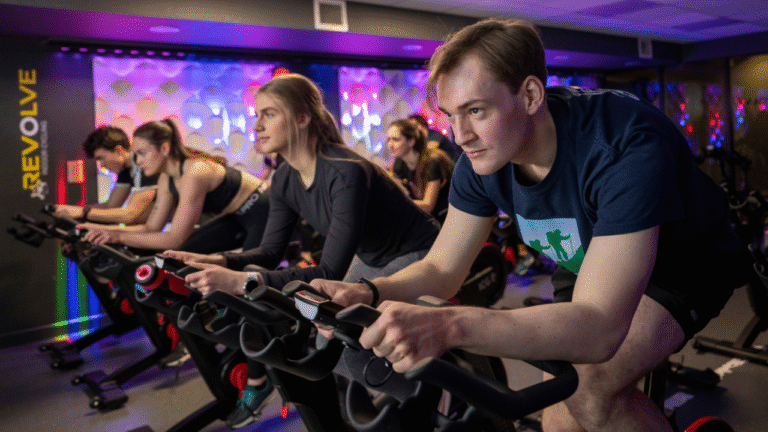
Sports are one of the best ways to keep your body fit, your mind sharp, and your spirit energized. Whether you’re playing football on the weekends, training for a marathon, or enjoying a friendly tennis match, staying active is an incredible investment in your health. But here’s the catch—sports also carry risks. From overtraining to injuries, poor nutrition, or lack of recovery, many athletes unintentionally sabotage their long-term well-being.
So, how do you enjoy the thrill of competition and the joy of movement while protecting your health? Let’s dive deep into the strategies that can help you stay healthy, strong, and resilient when playing sports.
Why Health Matters in Sports
Sports are not just about winning or losing—they’re about building a lifestyle that supports physical endurance, mental clarity, and emotional balance. A healthy athlete performs better, recovers faster, and enjoys the game longer. Neglecting health, on the other hand, often leads to fatigue, injuries, and burnout.
Think of your body as a sports car. If you fuel it with poor-quality gas, skip the maintenance, and push it beyond its limits, it won’t last very long. But with the right care, it will run smoothly for years.
Nutrition: Fueling Your Performance
What you eat before, during, and after playing sports can make or break your performance. Athletes who ignore nutrition often struggle with energy crashes, slow recovery, or increased injury risks.
Key Nutrition Tips for Athletes
- Carbohydrates: Provide quick energy for training and competition. Whole grains, fruits, and starchy vegetables are excellent sources.
- Protein: Essential for muscle repair and growth. Aim for lean meats, eggs, legumes, or protein shakes.
- Healthy fats: Support joint health and long-lasting energy. Avocados, nuts, seeds, and olive oil work wonders.
- Hydration: Even slight dehydration reduces performance. Water should be your best friend, with electrolyte drinks during intense sessions.
| Nutrition Timing | What to Eat | Why It Helps |
|---|---|---|
| Pre-game (2–3 hrs) | Balanced meal: chicken, rice, vegetables | Provides steady energy |
| During play | Sports drink, banana, or energy gel | Prevents fatigue |
| Post-game | Protein shake + complex carbs | Aids recovery and muscle repair |
Warm-Up and Cool-Down: Your Injury Shield
Skipping warm-ups is like driving your car at full speed without starting the engine first—it’s a recipe for disaster. Warm-ups prepare your muscles, joints, and cardiovascular system for action.
Benefits of Warming Up
- Increases blood flow and flexibility
- Reduces risk of injuries
- Improves performance
Similarly, cooling down helps your body transition safely back to rest. Gentle stretches, light jogging, or yoga poses prevent stiffness and speed up recovery.
Training Smart: Balance is Everything
Pushing yourself is good. Overdoing it is dangerous. Many athletes fall into the trap of “more is better,” but excessive training leads to fatigue, injuries, and mental burnout.
Tips for Balanced Training
- Alternate high-intensity and low-intensity workouts
- Incorporate strength training to support endurance sports
- Take at least one rest day per week
- Listen to your body—pain is not always gain
Pro tip: Olympic athletes don’t just train harder, they train smarter. Quality beats quantity every single time.
Mental Health: The Hidden Game-Changer
Sports are as much mental as they are physical. Stress, anxiety, or lack of focus can hold back even the fittest athletes. Prioritizing mental well-being is part of staying healthy.
Mental Health Strategies for Athletes
- Practice mindfulness or meditation before games
- Use visualization techniques to stay confident
- Take breaks when feeling mentally drained
- Talk openly about struggles with teammates or coaches
Remember, a clear mind leads to sharper decisions and better results on the field.
Injury Prevention: Play Safe, Stay Strong
Nothing ruins an athlete’s progress faster than an injury. While some injuries are unavoidable, many can be prevented with smart habits.
Common Sports Injuries
- Sprains and strains
- Knee injuries (like ACL tears)
- Shin splints
- Shoulder injuries
Prevention Strategies
- Always wear the right gear (helmets, shoes, braces)
- Strengthen supporting muscles (e.g., core for runners)
- Avoid sudden increases in training intensity
- Seek medical attention at the first sign of pain
Pros & Cons of Playing Through Pain
| Pros | Cons |
|---|---|
| May finish the game | Can worsen the injury |
| Boosts short-term morale | Longer recovery time |
| Shows toughness | Risks permanent damage |
Verdict? Don’t play hero. Address pain early to stay in the game long-term.
Recovery: The Secret Weapon of Athletes
Recovery is not laziness—it’s part of training. Your body rebuilds and gets stronger when you rest.
Top Recovery Practices
- Sleep: Aim for 7–9 hours to repair muscles and restore energy
- Active recovery: Light cycling, swimming, or yoga keeps blood flowing
- Massage or foam rolling: Reduces soreness and improves flexibility
- Ice baths or heat therapy: Speeds up recovery from tough games
People Also Ask (PAA)
Q1: How do athletes stay healthy during sports?
Athletes stay healthy by combining proper nutrition, hydration, balanced training, rest, and injury-prevention strategies.
Q2: What should I eat before playing sports?
A balanced meal with carbs, lean protein, and vegetables 2–3 hours before activity works best. Add a light snack (like a banana) if needed right before.
Q3: How much water should athletes drink?
Most athletes need 2–3 liters daily, plus extra during intense exercise. A good rule: if you’re thirsty, you’re already dehydrated.
Q4: Can sports improve mental health?
Yes, regular sports activity reduces stress, boosts mood, and enhances focus.
FAQs
1. Is playing sports every day healthy?
Yes, but only if you balance intensity. Mix high-energy sessions with lighter activities and rest days to avoid overtraining.
2. What’s the fastest way to recover after sports?
Sleep, hydration, and proper nutrition are the fastest recovery tools. Add light stretching or foam rolling for best results.
3. Do I really need supplements as an athlete?
Not always. Whole foods should be the foundation. Supplements like protein powder or electrolytes are useful if you have specific gaps.
4. How can I prevent sports burnout?
Keep your training varied, set realistic goals, and make sure you enjoy the process—not just the outcome.
5. What gear helps prevent injuries?
Supportive shoes, protective braces, and sport-specific equipment (helmets, pads) reduce injury risks.
Final Thoughts
Staying healthy while playing sports is not about avoiding effort—it’s about making effort sustainable. Proper nutrition, smart training, injury prevention, and mental health care all combine to keep athletes at their best.
Sports are meant to be a lifelong source of joy, not just a short-term pursuit. Treat your body with respect, listen to its signals, and remember: the healthiest athlete is not the one who trains the hardest, but the one who trains the smartest.
About the Author