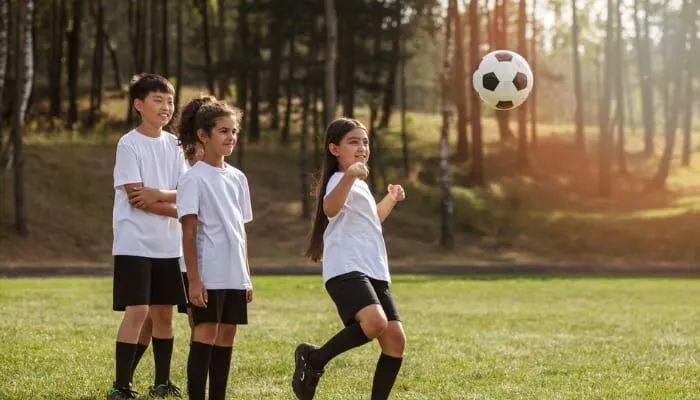
Sports have always been more than just games. For students, they are a powerful tool that shapes the body, mind, and even character. In an era where young people spend more time on screens than playgrounds, the role of sports in education cannot be overstated. From improving academic performance to building resilience, sports equip students with life skills that textbooks alone cannot teach.
In this article, we’ll explore the many benefits of sports for students, blending real-life examples, research insights, and practical takeaways. Whether you’re a parent, teacher, or student yourself, by the end, you’ll understand why sports should be a non-negotiable part of student life.
Why Sports Matter in Student Life
Sports provide balance to academic life. While grades and assignments measure intellectual growth, sports foster emotional, physical, and social development. A student who engages in regular physical activity is not only healthier but also more disciplined, confident, and better prepared for challenges.
Think about it: a football match or a basketball practice teaches lessons in teamwork and strategy that no lecture can replicate. This is why schools and universities around the world are investing in sports programs—not as extracurricular “add-ons” but as essential components of education.
1. Physical Health Benefits
Physical activity through sports helps students avoid the sedentary lifestyle linked to obesity, diabetes, and heart problems. Regular participation builds stamina, strengthens muscles, and improves cardiovascular health.
Examples of Physical Benefits:
- Better posture and flexibility
- Stronger immune system
- Improved sleep patterns
- Higher energy levels throughout the day
A simple comparison can be made:
| Sedentary Student | Active Student (Sports) |
|---|---|
| Often tired, low stamina | High stamina, energetic |
| Prone to obesity | Healthy weight management |
| Higher risk of chronic illness | Stronger immune system |
2. Mental Health Benefits
Sports act as a natural stress reliever. Physical activity triggers the release of endorphins, the “feel-good” hormones that fight anxiety and depression.
Students under academic pressure often find peace on the field or court. A game of badminton or an evening jog can help reset the mind and improve focus. Beyond stress, sports also enhance memory and cognitive function, which directly benefit academic performance.
3. Improved Academic Performance
Contrary to the belief that sports distract students from studies, research consistently shows the opposite. Students involved in sports often perform better academically because they learn how to manage time, set goals, and focus.
Why sports improve academics:
- Increased concentration
- Better classroom behavior
- Higher self-discipline
- Reduced absenteeism
A U.S. study found that high school athletes had higher GPAs and graduation rates compared to non-athletes. Sports teach students how to commit to both academics and extracurriculars without burning out.
4. Character Development
Sports shape character traits that stay with students for life. They learn resilience when losing a match, humility when winning, and persistence when training day after day.
Key life skills learned from sports:
- Leadership
- Teamwork
- Decision-making under pressure
- Patience and perseverance
For example, a student who captains a cricket team learns responsibility early on—skills that easily translate into leadership roles later in life.
5. Social Benefits
Sports are social glue. They bring together students from different backgrounds and cultures, helping them bond over shared goals. For shy or introverted students, joining a team often becomes the gateway to building confidence and friendships.
Social benefits include:
- Improved communication skills
- Stronger peer relationships
- Respect for diversity
- Reduced social isolation
A student who plays sports rarely feels left out because they belong to a community that supports them both on and off the field.
6. Building Discipline and Time Management
Sports demand consistency. To excel, students must wake up early, train regularly, and balance homework with practice. This builds discipline, punctuality, and strong organizational skills.
Consider this: a student athlete who practices three times a week learns to prioritize tasks, avoid procrastination, and maintain focus—all habits that directly contribute to success in adulthood.
7. Emotional Benefits
Sports help students regulate emotions. Losing a match can teach humility, while winning instills confidence. This emotional balance makes students better equipped to handle setbacks in life.
Moreover, being part of a team creates a sense of belonging that boosts self-esteem. For many students, the sports field becomes a safe space to express themselves.
8. Career Opportunities
Sports can open doors to scholarships, professional careers, and networking opportunities. Universities often scout talented athletes for admissions, and many industries value the discipline and teamwork skills athletes bring.
Possible career paths through sports:
- Professional athlete
- Coach or trainer
- Sports medicine specialist
- Physical education teacher
- Sports management professional
Even if students don’t pursue professional sports, the skills they gain make them valuable in any career.
Pros and Cons of Sports for Students
| Pros | Cons |
|---|---|
| Improved health | Risk of injury |
| Better academic performance | Time management challenges |
| Builds discipline and resilience | Pressure to perform |
| Creates social connections | Overemphasis can lead to burnout |
While the pros far outweigh the cons, awareness of potential risks helps students and parents make balanced decisions.
People Also Ask (PAA)
Q1. How do sports benefit students academically?
Sports improve focus, time management, and discipline, which directly enhance academic performance. Studies show student athletes often have higher GPAs.
Q2. Why are sports important for student life?
Sports promote physical health, mental well-being, social skills, and character development, making them an essential part of holistic education.
Q3. Can playing sports help in a student’s career?
Yes. Sports can lead to scholarships, professional careers, and the development of transferable skills like leadership and teamwork.
Q4. Do sports make students more disciplined?
Absolutely. Regular training teaches students the value of consistency, punctuality, and self-control.
FAQs
1. What are the top sports for students?
Popular options include football, basketball, cricket, badminton, swimming, and athletics. The best choice depends on individual interest and school facilities.
2. How many hours should students spend on sports?
Experts recommend at least 60 minutes of physical activity daily, but competitive athletes may train longer depending on goals.
3. Can sports reduce exam stress?
Yes. Sports act as a stress reliever, helping students clear their minds and return to studies with renewed focus.
4. Are sports equally beneficial for introverted students?
Definitely. Sports help introverts build confidence, social connections, and self-esteem in a structured environment.
5. Should parents encourage or push children into sports?
Encouragement is key. Forcing students can backfire, but gentle motivation helps them discover their passion.
Final Thoughts
The benefits of sports for students extend far beyond the playing field. They shape healthier bodies, sharper minds, and stronger characters. In a world that increasingly values resilience, leadership, and adaptability, sports give students a competitive edge not just in school but in life.
If you’re a student, don’t treat sports as a distraction from studies. See them as an investment in yourself. And if you’re a parent or educator, remember: every game, every practice, every match is a lesson preparing students for the bigger game of life.
About the Author