Solid wood has been the heart of furniture making, home construction, and even cultural traditions for centuries. From royal palaces with teak interiors to rustic oak dining tables that last generations, solid wood has always symbolized durability, class, and natural beauty. But here’s the million-dollar question: which is the best solid wood?
The truth is, there isn’t a single answer. The “best” wood depends on what you need—strength, longevity, aesthetics, or budget. Let’s dive deep into the world of solid wood and uncover which options stand tall above the rest.
What Is Solid Wood?
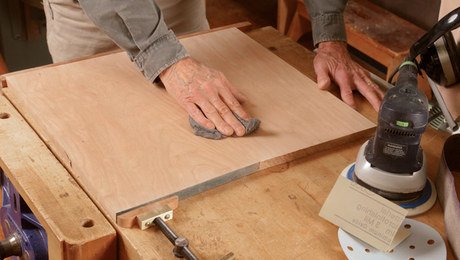
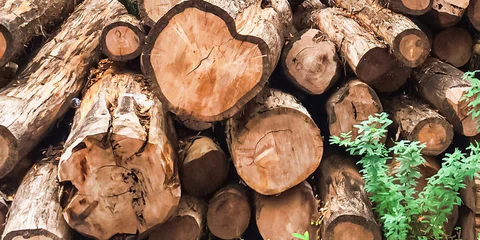
Solid wood refers to natural timber cut directly from trees without any fillers or engineered layers like plywood or MDF. It carries the natural grain, density, and durability of the tree it’s sourced from, making it stronger and more valuable than engineered alternatives.
Unlike veneers or composites, solid wood can be sanded, polished, and repaired multiple times, which is why antique solid wood furniture often outlasts generations.
Factors That Define the “Best” Solid Wood
Before deciding which wood deserves the crown, let’s understand the qualities that set premium woods apart:
- Durability – Resistance to wear, termites, and decay.
- Strength – Ability to withstand pressure and heavy weight.
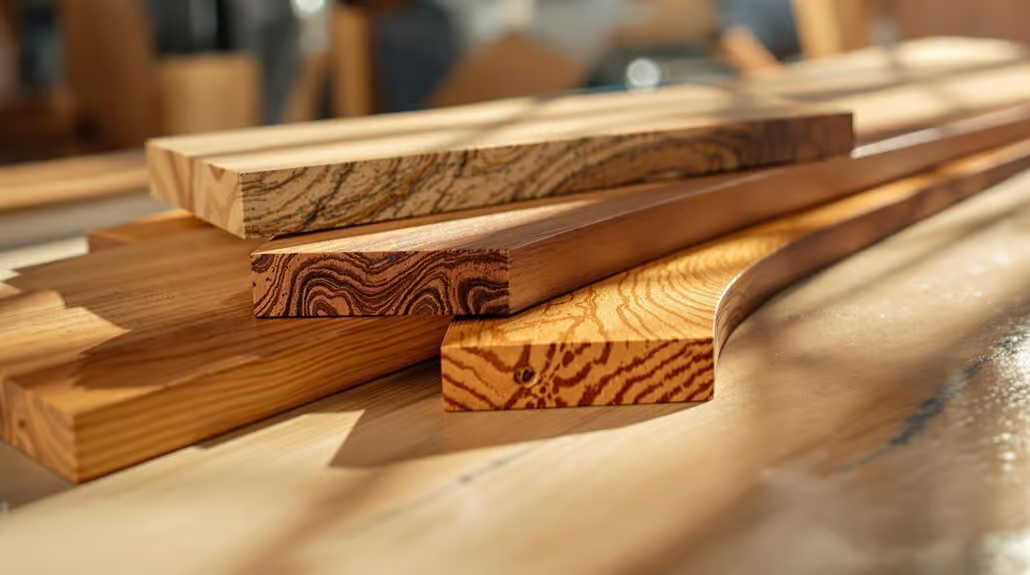
- Aesthetics – Natural color, texture, and grain patterns.
- Workability – How easy it is to cut, shape, and polish.
- Availability & Cost – Some woods are rare and expensive, while others are affordable and accessible.
Top Solid Woods and Their Qualities
1. Teak Wood
Teak is often considered the king of hardwoods. Known for its golden brown hue and high oil content, it naturally resists termites and water damage. That’s why it’s been used in shipbuilding for centuries.
- Best For: Outdoor furniture, luxury interiors, flooring.
- Pros: Extremely durable, weather resistant, timeless look.
- Cons: Expensive and sometimes illegally sourced.
2. Oak Wood
Oak is famous in Western countries for its rich grains and strength. It comes in two main types: red oak and white oak. White oak, in particular, is water resistant and used in wine barrels.
- Best For: Dining tables, cabinets, flooring.
- Pros: Strong, durable, attractive grains.
- Cons: Heavy and can shrink if not seasoned properly.
3. Sheesham (Indian Rosewood)
Commonly used in India, Sheesham is both affordable and versatile. It has deep grains and is termite-resistant, making it a household favorite.
- Best For: Traditional furniture, doors, decorative pieces.
- Pros: Affordable, termite resistant, easy to carve.
- Cons: Not as durable as teak or oak.
4. Maple Wood
Maple is widely used in North America. It’s known for its creamy white appearance and fine grain. It’s tough, making it perfect for heavy-use furniture.
- Best For: Kitchen cabinets, butcher blocks, flooring.
- Pros: Hard, smooth finish, budget-friendly.
- Cons: Susceptible to moisture if not treated.
5. Walnut Wood
Walnut has a rich chocolate-brown color that makes it one of the most beautiful woods for luxury interiors. It’s relatively expensive but worth it for aesthetics.
- Best For: Luxury furniture, headboards, statement pieces.
- Pros: Beautiful finish, durable, elegant look.
- Cons: Pricey and not widely available everywhere.
Quick Comparison Table of Solid Woods
| Wood Type | Durability | Appearance | Best For | Price Range |
|---|---|---|---|---|
| Teak | ★★★★★ | Golden brown | Outdoor & luxury use | High |
| Oak | ★★★★★ | Rich grain | Furniture, flooring | Medium-High |
| Sheesham | ★★★★☆ | Dark brown grain | Affordable furniture | Medium |
| Maple | ★★★★☆ | Light, smooth | Cabinets, flooring | Medium |
| Walnut | ★★★★★ | Dark, elegant | Premium furniture | High |
Pros & Cons of Solid Wood
Pros:
- Long-lasting and durable
- Natural beauty and unique grain patterns
- Can be refinished multiple times
- High resale value
Cons:
- Expensive compared to engineered wood
- Prone to expansion and shrinkage with humidity
- Heavier and harder to move
People Also Ask (PAA)
Is solid wood better than engineered wood?
Yes, solid wood lasts longer, can be repaired, and has higher resale value. Engineered wood is cheaper but not as durable.
Which wood lasts the longest?
Teak and oak are among the longest-lasting woods, often lasting over 100 years with proper care.
What is the strongest solid wood?
Australian Buloke holds the record as the hardest wood globally, but teak and oak are more commonly used in homes.
Is solid wood worth the money?
Absolutely. While the upfront cost is high, the durability and timeless appeal make it a worthy investment.
How to Choose the Best Solid Wood for Your Needs
When selecting solid wood, consider:
- Budget – Teak and walnut are premium, while sheesham and maple are affordable.
- Purpose – For outdoors, teak is best. For luxury interiors, walnut or oak shine.
- Climate – In humid regions, termite-resistant woods like teak or sheesham are better.
- Maintenance – If you want low upkeep, pick naturally oily woods like teak.
Where to Buy the Best Solid Wood
- Local Timber Markets – Affordable and negotiable, but check for authenticity.
- Reputed Furniture Stores – Trusted sourcing, warranties, and ready-made designs.
- Online Platforms – Websites like Pepperfry, Urban Ladder, or Wayfair offer a variety of solid wood furniture.
Best Solid Wood for Different Uses
- Best for Furniture: Teak, Sheesham, Oak
- Best for Flooring: Oak, Maple
- Best for Outdoor Use: Teak
- Best for Luxury Interiors: Walnut
FAQs
1. Which is the best solid wood for a dining table?
Teak or oak is ideal due to their strength and resistance to daily wear.
2. Is Sheesham wood good for furniture?
Yes, Sheesham is affordable, termite-resistant, and suitable for everyday furniture.
3. Which solid wood is most affordable?
Sheesham and maple are the most cost-effective options.
4. Can solid wood crack or warp?
Yes, if not seasoned or maintained properly, it can expand or shrink with humidity.
5. Which is better: teak or oak?
Teak is more weather-resistant, while oak offers richer grains and strength. Both are excellent depending on use.
Conclusion
So, which is the best solid wood? The answer depends on your priorities. If budget isn’t an issue and you want timeless durability, go for teak. If you love rich grains and strong furniture, oak is your best bet. For affordability with durability, Sheesham is the winner. And if you’re after elegance and luxury, nothing beats walnut.
In the end, the “best” solid wood isn’t universal—it’s the one that fits your needs, lifestyle, and taste. Choose wisely, and your investment in solid wood will reward you with furniture and interiors that stand the test of time.
About the Author