Imagine standing on the vast plains under a sky that stretches forever, the wind whispering stories from generations past. That’s how I first felt when I visited a Lakota powwow a few years back—surrounded by vibrant colors and intricate designs that seemed to pulse with life. As someone who’s spent years hiking through Native lands and chatting with elders about their crafts, I’ve come to see traditional Native American clothing not just as fabric and hides, but as living history, a bridge between earth and spirit. It’s a world where every stitch tells a tale of resilience, adaptation, and deep connection to the land. In this piece, we’ll journey through its evolution, regional flair, and enduring legacy, all while honoring the diversity that makes it so profound.
The Essence of Traditional Native American Attire
Traditional Native American clothing, often called regalia in ceremonial contexts, was born from necessity and ingenuity, shaped by the landscapes that sustained hundreds of distinct tribes across what is now the United States. Before European contact, it relied on local resources like animal hides and plant fibers, reflecting a profound respect for nature—nothing wasted, everything sacred. Today, it blends those roots with modern touches, worn proudly at powwows and daily by some, reminding us that culture isn’t frozen in time but evolves like the seasons.
What strikes me most is how personal it feels. I once watched a Navajo woman adjust her blanket dress during a market chat, her fingers tracing patterns passed down from her grandmother. It’s more than outfits; it’s identity woven into wear.
Historical Roots: From Hides to Harmony with Nature
Long before trade beads arrived, Native peoples crafted garments from the wild bounty around them, turning survival into artistry. Deer and elk skins became soft dresses for women, while buffalo robes shielded Plains men from harsh winds. These weren’t random choices—each material carried spiritual weight, like the eagle feathers symbolizing strength or porcupine quills dyed with plant extracts for protection.
This era’s clothing embodied balance. Hunters offered thanks to animals before the kill, ensuring the circle of life continued. It’s a humbling reminder of stewardship we could all learn from in our fast-fashion world.
Pre-Contact Materials and Techniques
In the Eastern Woodlands, tribes like the Iroquois spun fibers from nettles and hemp into tunics, using bone awls for seams that lasted lifetimes. Far north, Inuit layered seal and caribou skins for parkas, the fur side in for warmth—practical genius against Arctic blasts. Women, often the master crafters, chewed hides to soften them, a labor of love that bonded family.
These methods weren’t just functional; they were meditative. Picture a winter evening by the fire, sinew threads flying under flickering light—pure rhythm, pure reverence.
Impact of European Trade on Garments
When traders brought wool blankets and glass beads in the 1700s, it sparked a creative explosion. Quills gave way to shimmering beadwork, silk ribbons to floral appliqué on Woodland skirts. Yet, this wasn’t blind adoption; Natives transformed them, like Lakota warriors fringing trade cloth shirts with ermine tails for battle prowess.
It’s bittersweet—innovation amid invasion. One elder I met laughed about how beads “made our stories brighter,” but her eyes held the weight of lost lands. Trade fueled beauty, but at a steep cultural cost.
Regional Variations: A Mosaic of Styles Across the Land
From desert weaves to coastal capes, traditional Native American attire mirrors the continent’s diversity—no single “Indian outfit,” but a spectrum of genius tailored to place. Plains tribes favored breechcloths and leggings for mobility on horseback; Southwest weavers spun cotton into mantles under relentless sun. These differences weren’t superficial—they signaled tribe, status, and story at a glance.
Diving into this variety feels like flipping through a family album of nations. My favorite? Spotting a Hopi overlay band on a distant trail—it instantly sparks a conversation, a shared nod to roots.
Plains Tribes: Bold and Mobile Regalia
Buffalo ruled the Plains, so hides dominated—women’s elk skin dresses quilled in geometric thunderbirds, men’s war shirts trailing eagle feathers like comet tails. Crow and Blackfeet added German silver conchos post-trade, turning everyday wear into moving art. Moccasins, puckered and painted, traced paths across prairies.
Humorously, these outfits were horse-friendly—fringe flapped like flags, scaring off snakes mid-ride. Practical poetry.
Southwest: Woven Wonders of Cotton and Wool
Navajo and Hopi mastered looms early, crafting black-and-white wool skirts or red-dyed cotton mantas from domesticated sheep. Women layered silver squash blossom necklaces over belted tunics, symbols of fertility blooming like desert flowers. Post-Spanish, Pendleton blankets became ceremonial wraps.
I once bartered for a small rug remnant in Arizona—its tight weave still holds stories of rain prayers. Touching it, you feel the arid resilience.
Eastern Woodlands: Ribbonwork and Floral Flourish
Iroquois and Cherokee favored deerskin skirts with ribbon appliqué, folding silk into undulating waves that mimicked rivers. Men wore matchcoats—broadcloth capes pinned with bone gorgets—while beadwork bloomed in curvilinear florals, echoing forest abundance.
It’s elegant rebellion; ribbons from traders, but designs screaming sovereignty. One quip from a vendor: “We took their shiny bits and made them ours—best revenge.”
Arctic and Subarctic: Fur for Fierce Winters
Inuit parkas from ringed seal, hoods framed with wolverine ruffs to shed frost—double layers, fur in, for toasty traps. Athabascan mukluks stuffed with moss insulated like modern boots. Caribou hides, lightweight yet windproof, cloaked families in qamutiks.
Survival couture. I shivered just reading old journals, but their layered logic? Warmer than any Gore-Tex.
Materials and Craftsmanship: Nature’s Palette in Every Piece
At its core, traditional Native American clothing was earth-sourced—hides brain-tanned with animal fats for buttery softness, fibers twisted from dogbane or yucca. Dyes from berries and clays painted symbols: red for life, black for power. Post-contact, wool and velvet joined, but the ethic stayed—sustainable, sacred.
Crafting was communal therapy. I’d join sewing circles on visits, needles clicking like heartbeats, laughter weaving in stories of hunts gone hilariously wrong.
Animal-Derived Essentials
Deerskin for supple leggings, buffalo for robes thick as armor—every part used, from sinew thread to claw buttons. Feathers quilled or fanned added flight to spirits; bear fur cloaks warded winter’s bite.
Emotional pull here: Wearing a piece feels like carrying ancestors—protective, profound.
Plant Fibers and Weaving Innovations
Nettles in the East, agave in the Southwest—spun into breechcloths or cradleboards, strong as family ties. Looms rocked back and forth, women chanting as patterns emerged, geometric guardians against chaos.
Light humor: One weaver joked her basket-weave skirt “holds secrets tighter than my grandma’s gossip.”
Post-Contact Additions: Beads and Beyond
Glass beads from Venice, ribbons from France—remade into ledger art on canvas scraps, narrating lost battles. Wool trade cloth birthed jingle dresses, cones tinkling like rain.
Adaptation’s triumph. It’s why regalia today dazzles—old soul, new shine.
Symbolism and Stories Stitched In
Every fringe, bead, color held meaning—thunderbirds for protection, florals for renewal. War shirts tallied coups with quill tallies; cradleboards beaded dreams for babes. Clothing wasn’t vanity—it amplified identity, warding evil or wooing allies.
I teared up hearing a veteran’s tale: His granddad’s beaded vest, worn in both world wars, a shield of pride. Stories like that? They stick.
Comparisons: Men’s vs. Women’s Traditional Garments
Men’s attire prioritized motion—breechcloths for quick hunts, shirts for ceremony—while women’s layered for nurture, skirts flowing with life’s cycles. Both shared bead motifs, but hers often bloomed softer, his struck bolder.
| Aspect | Men’s Garments | Women’s Garments |
|---|---|---|
| Base Materials | Deerskin leggings, breechcloth | Elk skin dresses, woven skirts |
| Key Features | Fringe for rain runoff, war honors | Ribbon appliqué, fertility symbols |
| Ceremonial Use | War shirts with eagle feathers | Jingle dresses for healing dances |
| Daily Adapt. | Minimal layers for mobility | Multi-use wraps for child-carrying |
This table highlights harmony in difference—equal artistry, tailored roles.
Pros and Cons: Embracing Tradition in Modern Life
Wearing traditional pieces connects deeply, but challenges linger.
Pros:
- Cultural Anchor: Reinforces identity, like a hug from history.
- Eco-Friendly: Natural, biodegradable—beats synthetic waste.
- Artistic Expression: Endless customization, therapy in creation.
Cons:
- Time-Intensive: Beading a moccasin? Days of devotion.
- Costly Materials: Ethical sourcing hikes prices.
- Misappropriation Risks: Fakes dilute meaning—buy authentic.
Balance them, and it’s empowering. One friend quipped, “It’s work, but the powwow strut? Worth every poke.”
Modern Revivals: Blending Old and New
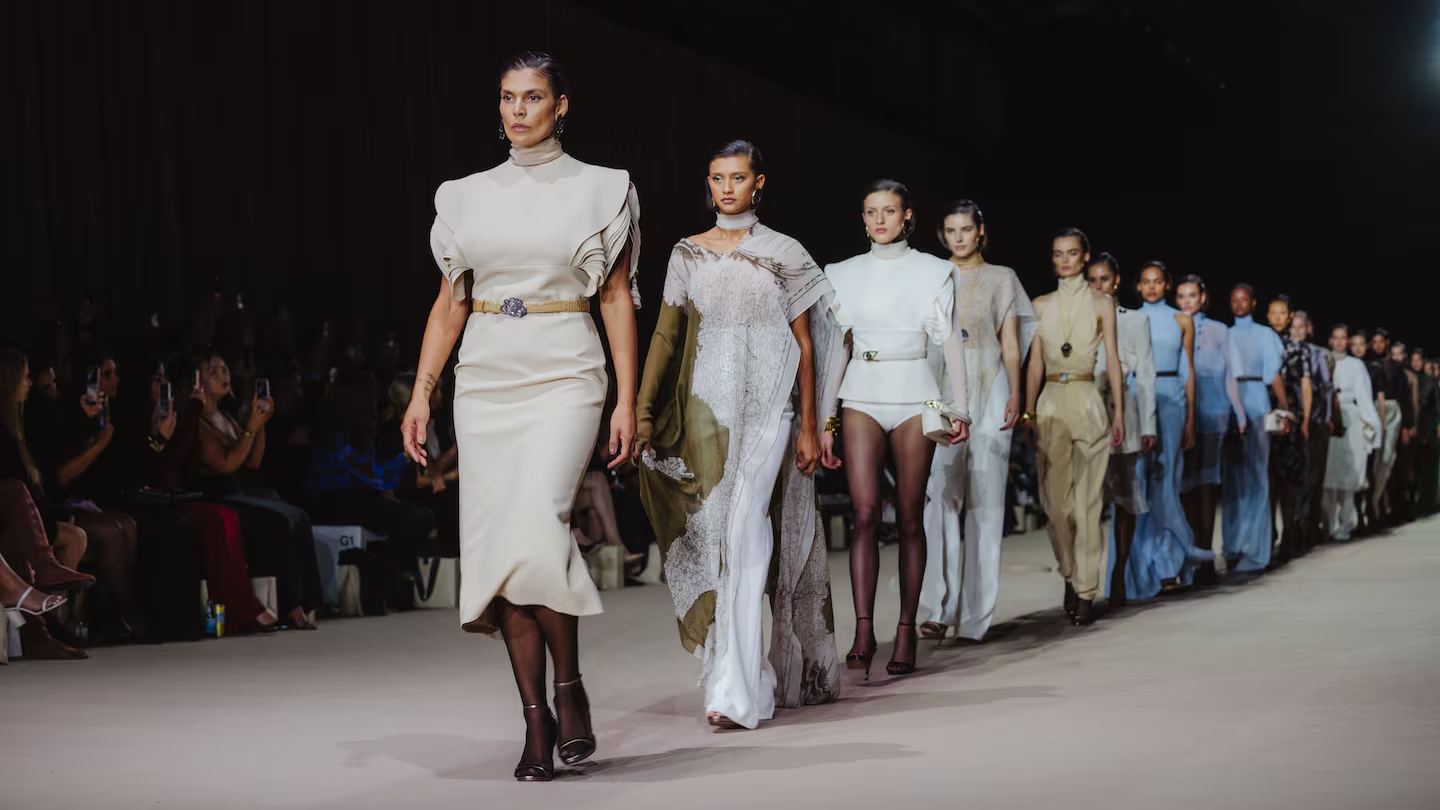
Today’s designers like Virginia Yazzie-Ballenger fuse buckskin with streetwear, runway-ready yet rooted. Powwows showcase jingle dresses with LED lights—tradition remixed. It’s revival as resistance, honoring boarding school scars.
I attended a show in Santa Fe; the crowd’s awe was electric. Fashion with fire.
Where to Source Authentic Pieces: Ethical Buying Guide
Seeking genuine regalia? Skip big-box knockoffs; support Native makers for transactional wins. Navigational tip: Start with tribal co-ops or online hubs.
- Crazy Crow Trading Post (crazycrow.com): Kits and ready moccasins, great for beginners.
- The Wandering Bull (wanderingbull.com): Deerskin leggings, powwow-ready.
- 49 Native (49native.com): Contemporary twists by tribal artists.
- Beyond Buckskin Boutique (beyondbuckskin.com): Curated urban-Native fusion.
Best tools? A discerning eye and direct chat—ask about sourcing. Pro tip: Powwows are live markets, vibes included.
People Also Ask: Common Curiosities Explored
Drawing from real Google queries, here’s the scoop on what folks wonder most.
What is traditional Native American clothing called?
Often “regalia” for ceremonial wear—think dance outfits, not costumes. Daily garb? Just clothes, like breechcloths or mantas.
Why don’t all Native Americans wear the same traditional clothes?
Diversity! Over 500 tribes, each with climate-tuned styles—from Inuit fur to Hopi cotton. One-size-fits-all? Nah, that’s the myth.
Is it okay to wear Native American clothing if you’re not Native?
Tread lightly—regalia is sacred, earned. For allies, appreciate via museums or ethical buys, but skip the headdress Halloween vibe.
How has Native American fashion changed over time?
From hides to high fashion: Beads boosted designs, designers like Lloyd Kiva New globalized it. Now? Sustainable streetwear rules.
What materials were used in pre-colonial Native clothing?
Hides (deer, buffalo), plants (yucca, nettles), feathers—nature’s finest, zero waste.
FAQ: Your Burning Questions Answered
Got queries? Here’s the lowdown, straight from deep dives and chats.
What are the most iconic pieces of traditional Native American clothing?
Moccasins top the list—versatile, tribal-specific. Then war bonnets (Plains only, earned honor) and ribbon skirts (Woodlands revival star).
How do I know if a piece is authentic Native-made?
Look for artist signatures, tribal affiliations, or Indian Arts and Crafts Act compliance. Sites like si.edu guide verification.
Can traditional clothing be worn daily today?
Absolutely—in some communities, yes. Others save it for ceremonies. Urban Natives mix it with jeans for that everyday edge.
What’s the spiritual significance of beadwork in Native attire?
Beads map stories—colors for clans, patterns for journeys. It’s prayer in pigment, connecting wearer to ancestors.
How can I learn to make simple Native-inspired crafts?
Start with the Smithsonian’s doll-making lesson (americanindian.si.edu/nk360)—hands-on, respectful entry.
Whew, what a weave through time and thread. Next powwow, I’ll spot you in the crowd—regalia or not, the stories bind us. What’s your favorite piece? Drop a line; let’s keep the conversation going.
About the Author