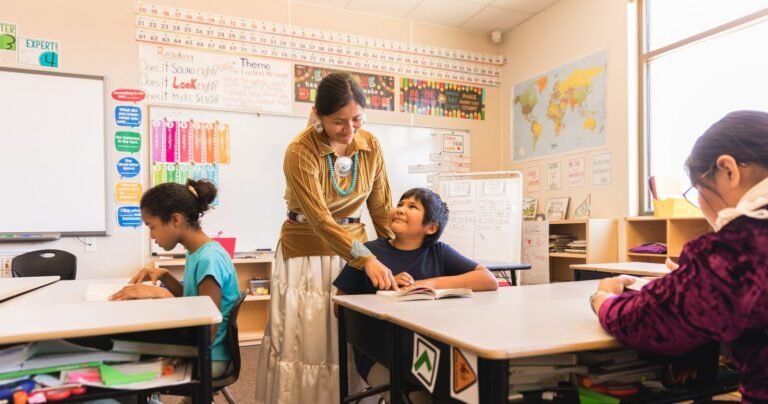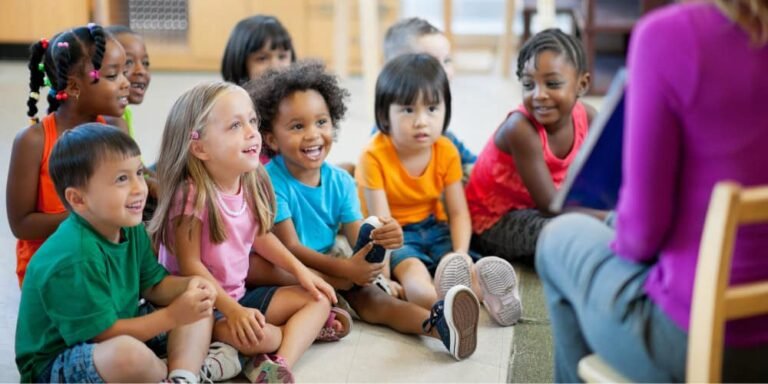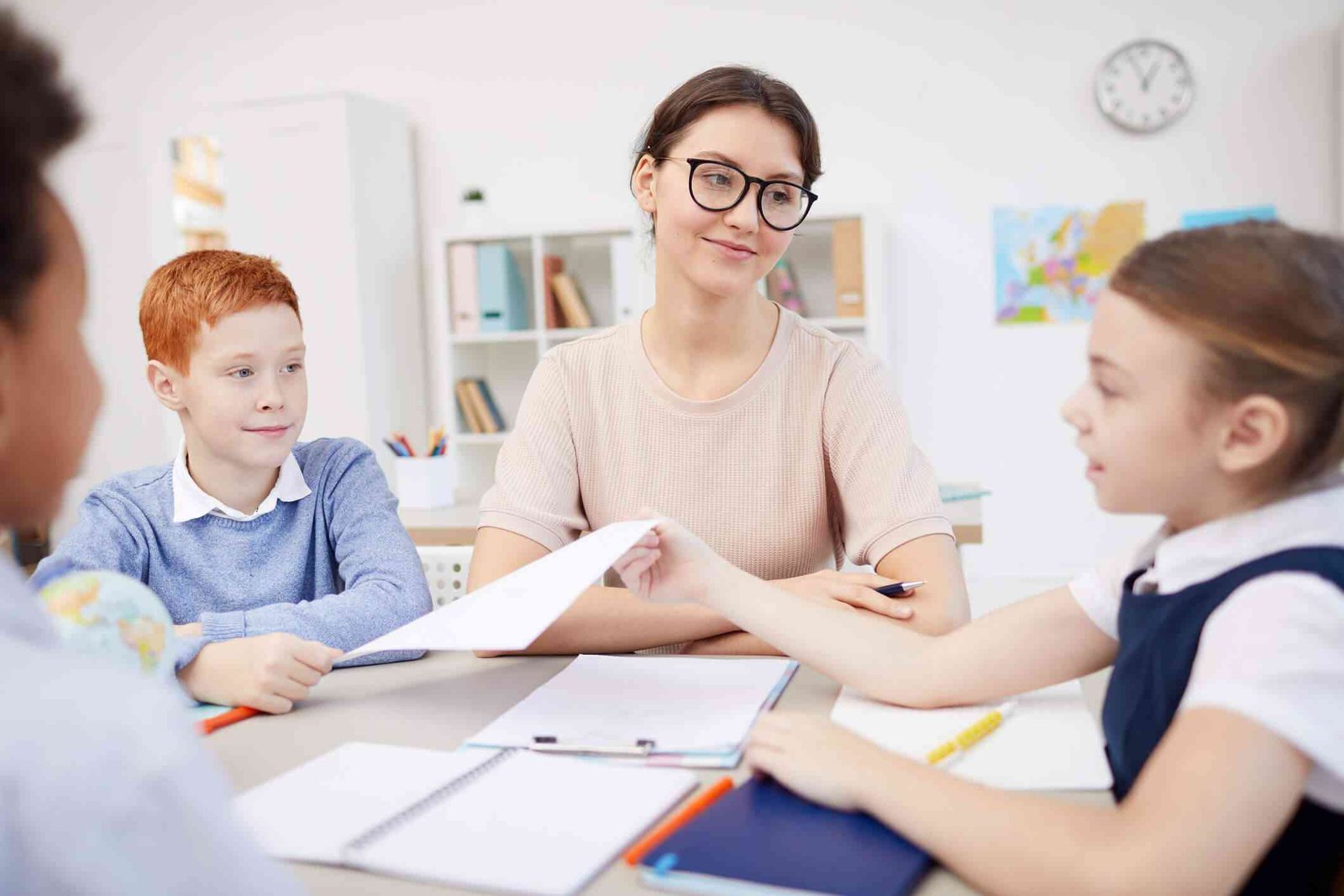
Imagine you’re a teacher staring down a classroom of twenty-five kids, each one wired differently—one’s a whirlwind of energy, another’s lost in daydreams, and a few in the middle just trying to keep up. Sound familiar? That’s where I was fifteen years ago, fresh out of my education degree, convinced that passion alone would carry me through. Spoiler: it didn’t. What turned things around was diving into educational psychology, that bridge between the messy magic of human minds and the daily grind of lesson plans. It’s not just theory—it’s the secret sauce that makes teaching click and learning stick. In this deep dive, we’ll unpack how educational psychology isn’t some dusty textbook relic but a living, breathing toolkit that boosts everyone in the room. Stick with me; by the end, you’ll see why it’s the game-changer for anyone shaping young minds.
What Is Educational Psychology?
At its core, educational psychology explores how people learn, blending insights from cognitive science, development, and motivation to make sense of the classroom chaos. It’s the study of mental processes like memory, attention, and problem-solving, all viewed through the lens of real-world teaching and learning. Think of it as psychology tailored for educators—helping us decode why a kid grasps fractions one day and zones out the next.
This field isn’t about labeling students; it’s about empowering teachers to adapt. Born from pioneers like William James and Jean Piaget in the late 19th century, it shifted education from rote memorization to understanding the learner’s inner world. Today, it informs everything from curriculum design to handling emotional hurdles, ensuring no one gets left behind.
For me, grasping this meant rethinking my approach. Instead of blasting through lectures, I started tuning into my students’ cues, turning potential frustration into “aha” moments that lit up the room.
The Historical Roots of Educational Psychology
Educational psychology didn’t pop up overnight—it evolved from ancient questions about the mind, hitting its stride in the early 1900s amid massive school expansions and immigration waves in the U.S. Figures like Edward Thorndike pioneered “transfer-of-training” ideas, showing how skills learned in one area spill into others, while Johann Herbart emphasized interest as the spark for learning.
By the mid-20th century, it intertwined with broader psych movements, from behaviorism’s focus on observable actions to cognitive theories probing the brain’s hidden gears. This history reminds us: teaching has always been as much art as science, and educational psychology refined the canvas.
Looking back, these roots ground modern practices. They taught me that ignoring history means repeating fumbles—like the time I force-fed facts without context, only to watch eyes glaze over. History isn’t baggage; it’s the blueprint for better tomorrows.
Key Theories in Educational Psychology
Behaviorism: Shaping Habits Through Rewards
Behaviorism, championed by B.F. Skinner, views learning as conditioned responses to stimuli—praise for good work reinforces it, gentle corrections curb slip-ups. In classrooms, this means clear expectations and timely feedback, turning routines into autopilot successes.
It’s straightforward and effective for building basics like classroom rules, but pair it with empathy to avoid turning kids into robots chasing gold stars. I once used sticker charts for math drills; it worked wonders until one shy student confessed they felt like a performing monkey. Lesson learned: balance the system with heart.
Cognitivism: Unlocking the Mind’s Inner Workings
Cognitivism shifts focus inward, with thinkers like Jerome Bruner arguing we process info like computers—input, store, output. It stresses schemas (mental filing cabinets) and how new knowledge slots in, promoting strategies like chunking lessons to ease overload.
This theory revolutionized my planning: breaking complex topics into digestible bites meant fewer meltdowns and more mastery. It’s why graphic organizers became my go-to—kids could visualize connections, making abstract ideas feel tangible.
Constructivism: Building Knowledge Brick by Brick
Rooted in Piaget and Vygotsky, constructivism says learners actively build understanding from experiences, not passively absorb it. Teachers act as guides, scaffolding challenges just beyond reach—the “zone of proximal development.”
In practice, this sparks projects where kids debate or experiment, owning their discoveries. I remember a group constructing a model ecosystem; debates flew, misconceptions crumbled, and suddenly science wasn’t “boring”—it was theirs. Humor alert: one kid’s volcano “eruption” involved way too much baking soda. Messy? Yes. Memorable? Absolutely.
Humanism: Nurturing the Whole Learner
Carl Rogers and Abraham Maslow brought heart, insisting unmet needs—like safety or belonging—block learning. Humanism prioritizes self-actualization, creating supportive spaces where kids feel seen.
This emotional layer? It’s the glue. During a tough year with remote learning, I shared my own “fail” stories; vulnerability invited theirs, and trust bloomed. No fluffy ideals here—it’s proven: happy, valued students learn deeper.
Social Learning Theory: Learning from the Crowd
Albert Bandura’s gem highlights observation and imitation—we pick up cues from peers and models. In groups, this fosters collaboration, with teachers modeling resilience or kindness.
Applied right, it turns classrooms into mini-societies. I paired struggling readers with confident ones; the “teachers” glowed with pride, and the learners surged ahead, proving we’re all mirrors for each other.
How Educational Psychology Improves Teaching Practices
Educational psychology arms teachers with evidence-based tweaks that amplify impact—from differentiating lessons to spark motivation to assessing not just what but how kids learn. It demystifies why some methods flop, urging us toward inclusive, adaptive strategies that honor diverse brains.
This shift isn’t overnight magic; it’s iterative growth. Early in my career, rigid plans led to burnout. Embracing psych principles meant flexible, responsive teaching—less stress, more joy. Suddenly, “impossible” classes felt like puzzles worth solving.
Enhancing Student Motivation and Engagement
Motivation isn’t a buzzword—it’s the engine. Educational psychology spotlights intrinsic drivers like autonomy and mastery, via theories like self-determination. Teachers foster this by offering choices, celebrating effort over perfection.
Engagement follows: gamified quizzes, real-world ties keep kids hooked. I swapped drudgery for “mystery math” challenges; attendance spiked, and so did grins. It’s emotional too—tapping curiosity builds bonds that outlast grades.
Promoting Individualized Learning Experiences
One-size-fits-all? Outdated myth. Psych insights reveal varied styles—visuals for some, kinesthetics for others—guiding personalized paths. Tools like learning profiles map strengths, ensuring equity.
In my room, this meant tiered assignments: basics for builders, extensions for accelerators. A quiet artist bloomed through visual journals, her confidence rippling outward. Personalization isn’t pampering; it’s precision that unlocks potential.
Classroom Management Through a Psychological Lens
Discipline meets psychology: understanding triggers like frustration or unmet needs prevents escalations. Positive behavior supports, rooted in behaviorism, reward growth over punishment.
This humane approach cuts chaos. I ditched detentions for “cool-down corners” with reflection prompts; outbursts dropped, dialogues rose. It’s lighter on the heart—and the lesson log.
Real-World Examples and Case Studies
Picture a middle school where bullying shadowed learning. Applying social learning, the principal modeled empathy assemblies; incidents fell 40%, per district data. Or consider Khan Academy’s adaptive algorithms—cognitivism in code, tailoring math paces to mastery.
Closer to home: my “failing” class turned around with constructivist debates. Skeptical at first (one kid quipped, “Talk instead of tests? Dream on!”), they dove in, essays soaring. These stories? Proof psych isn’t abstract—it’s actionable alchemy.
Comparison of Major Learning Theories
| Theory | Core Focus | Key Proponent | Classroom Application | Strength | Limitation |
|---|---|---|---|---|---|
| Behaviorism | Observable behaviors | B.F. Skinner | Rewards systems, drills | Quick habit formation | Ignores internal motivation |
| Cognitivism | Mental processes | Jerome Bruner | Graphic organizers, chunking info | Builds deep understanding | Overlooks social context |
| Constructivism | Active knowledge building | Jean Piaget | Project-based learning, scaffolding | Fosters creativity | Time-intensive for large groups |
| Humanism | Emotional needs | Carl Rogers | Student-led goals, supportive feedback | Enhances well-being | Hard to measure outcomes |
| Social Learning | Observation & imitation | Albert Bandura | Peer mentoring, role modeling | Leverages group dynamics | Relies on positive models |
This table highlights how theories complement each other—mix them for a robust toolkit. Behaviorism for routines, constructivism for depth; it’s like a chef’s spice rack.
Pros and Cons of Integrating Educational Psychology
Pros
- Tailored Impact: Boosts outcomes by matching methods to minds—studies show 20-30% gains in retention.
- Teacher Resilience: Insights reduce burnout; empowered educators stay longer.
- Equity Edge: Addresses diverse needs, closing gaps for underserved kids.
- Lifelong Skills: Builds critical thinking, not just facts—preps for real life.
Cons
- Time Sink: Deep dives demand prep; busy teachers might skim.
- Resource Hurdles: Rural schools lack training—access uneven.
- Over-Reliance Risk: Theories aren’t recipes; misapply, and it backfires.
- Measurement Mess: Soft skills like motivation? Tricky to track.
Weighing these, the upsides shine—especially with community support. It’s worth the wrestle for transformed classrooms.
Best Tools for Applying Educational Psychology in the Classroom
Ready to gear up? Top picks blend tech and timeless tactics, covering intents from “what works” to “where to start.”
- Kahoot! or Quizlet: Gamifies reviews (behaviorism boost), engaging all via competition. Free tiers rock for quick polls—track motivation spikes.
- Google Classroom or Seesaw: Personalizes assignments (constructivist style), with feedback loops for cognitivism. Integrates portfolios for humanism.
- MindMeister: Mind-mapping tool for schemas; visual learners thrive, promoting connections.
- ClassDojo: Builds positive behavior points, fostering social learning—parents love the reports.
- Where to Get Them: Head to edtech hubs like Common Sense Education for reviews, or APA’s resources for psych-backed picks.
These aren’t gadgets—they’re amplifiers. I started with Quizlet; one viral history quiz hooked my toughest skeptics. Transactional tip: Many offer teacher trials—dive in!
People Also Ask (PAA): Common Questions on Educational Psychology
Drawing from real Google queries, here’s the scoop on what folks wonder most.
What Is the Main Purpose of Educational Psychology?
It bridges psych and pedagogy to optimize learning—think decoding motivation and crafting killer lessons. Ultimately, it’s about making education stick for every kid, not just the “easy” ones.
How Does Educational Psychology Differ from School Psychology?
Educational psych dives broad into theories for all learners; school psych zeros in on individual assessments, like IEPs for special needs. Both vital, but one builds the map, the other navigates the bumps.
Why Is Educational Psychology Important for Teachers?
It equips you to read the room—spot disengagement early, tweak for styles, and spark joy. Without it, you’re flying blind; with it, you’re a mind-reading maestro (minus the cape).
Can Educational Psychology Help with Online Learning?
Absolutely—guides virtual engagement via self-determination theory, like choice-based modules. Post-pandemic, it’s key for hybrid success, blending connection with flexibility.
What Careers Use Educational Psychology?
From classroom coaches to curriculum designers, plus researchers or consultants. Check APA’s career guide for paths that pay off in purpose.
FAQ: Your Burning Questions Answered
1. How Can Beginners Apply Educational Psychology Daily?
Start small: Observe one class for motivation cues, then adjust—like adding choices to assignments. Resources? Verywell Mind’s primer is gold. Builds habits without overwhelm.
2. What’s the Best Way to Measure Its Impact?
Mix quant (test scores) with qual (student journals). Tools like surveys track engagement; aim for 10% uplift in participation. Remember, it’s progress, not perfection.
3. Does It Work for Adult Learners Too?
Yes—adapts to workplaces via andragogy. Focus on relevance; my corporate workshops used constructivism for skill-building, yielding rave reviews.
4. How to Handle Skeptical Colleagues?
Share a quick win story, like my debate turnaround, backed by APA stats. Invite co-teaching a lesson—let results preach.
5. Where to Study Educational Psychology?
Universities like American University offer online masters; free MOOCs on Coursera kickstart it. Dive deep for that expertise edge.
Wrapping this up feels like closing a favorite book—full circle, with new chapters beckoning. Educational psychology isn’t a fix-all; it’s a lens sharpening what we already do with heart. From my stumbles to triumphs, it’s shown me teaching’s true north: kids who not only learn but love it. What’s your next step? Grab a theory, tweak a lesson, and watch the ripple. You’ve got this—because understanding the why makes the how unstoppable.
About the Author