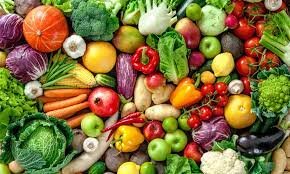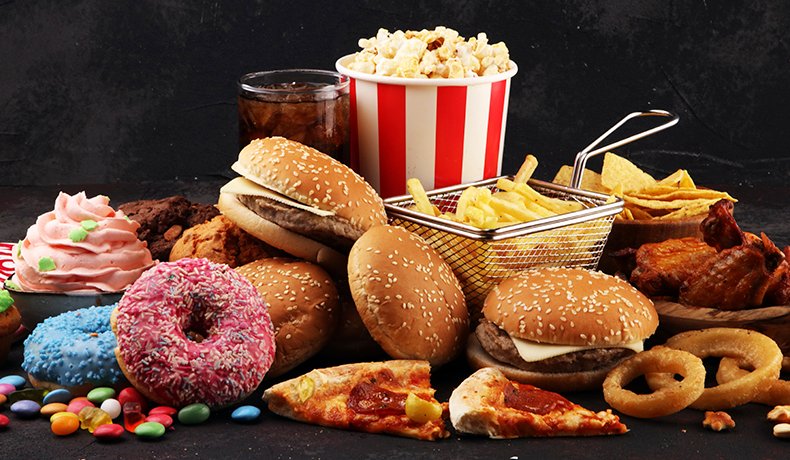
Hey there, friend. Picture this: It’s a rainy Tuesday afternoon, and I’m hunkered down in my kitchen, staring at a bag of those neon-orange cheese puffs that somehow multiply when you’re not looking. I grab a handful—crunch, bliss, regret. Sound familiar? I’ve been there more times than I can count, sneaking junk food like it’s an old flame I can’t quit. But here’s the thing: after years of yo-yo dieting and feeling like crap, I finally figured out how to keep it in check. Not by willpower alone, but by understanding why it’s so damn seductive and what it does to us. In this deep dive, we’ll unpack junk food from its sneaky origins to its sneaky health hits, and yeah, I’ll share some real-talk tips to reclaim your plate. Let’s get into it—no judgment, just facts and a few laughs along the way.
What Exactly Is Junk Food?
Junk food isn’t some mysterious boogeyman; it’s those grab-and-go bites that promise instant joy but deliver mostly empty promises. Think potato chips, candy bars, sodas, and fast-food burgers—stuff loaded with calories from sugar, salt, and fats, but skimpy on vitamins, fiber, or anything that actually nourishes you. The term popped up in the 1950s, but it really stuck in the ’70s when folks started calling out how these processed gems were more “cheat food” than real meals. I remember my first “aha” moment: scanning a chip bag and realizing half the ingredients were chemicals I’d never cook with at home. It’s not evil, but it’s engineered to hook you.
That hyper-palatable combo—sweet, salty, crunchy—tricks your brain into thinking it’s struck gold. Yet, as a nutrition coach who’s helped dozens ditch the crunchies, I’ve seen how swapping one bag for carrot sticks (with a spicy hummus dip) can feel just as satisfying once your taste buds adjust.
A Quick History of Junk Food: From Fairground Treats to Global Addiction
Junk food’s story starts way back in the late 1800s, when Cracker Jack debuted at Chicago’s World’s Fair—a sticky popcorn-peanut mash that hooked fairgoers with its prize-in-every-box gimmick. Fast-forward to the 1920s: Industrial mills churned out cheap white flour, birthing cookies and sodas en masse. By the ’50s, TV ads turned Twinkies and Big Macs into cultural icons, and boom—America’s love affair was official.
I chuckle thinking about my grandma, who grew up on wartime rations, then watched drive-thrus sprout like weeds in the ’70s. “It was progress,” she’d say, munching a fry. But that “progress” exploded globally; today, fast-food sales hit $732 billion worldwide. It’s not just nostalgia—it’s big business preying on our busy lives.
Why Does Junk Food Feel So Irresistible?
Ever wonder why one bite of a donut spirals into three? Blame the “bliss point”—that perfect storm of sugar, fat, and salt food scientists tweak to light up your brain’s reward center like fireworks. It’s basically dopamine on demand, making you crave more even when you’re full. Add in stress (hello, emotional eating) and boom, you’re hooked.
Last year, during a brutal work deadline, I demolished a family-sized bag of pretzels in one sitting. Not proud, but it taught me: Awareness is key. Studies show junk food can rewire your brain like a mild addiction, but the good news? You can rewire back with mindful swaps. It’s less about fighting urges and more about outsmarting them.
The Science Behind the Crave
Your gut and brain chat via the vagus nerve, and junk food hijacks that line with quick energy spikes—hello, blood sugar rollercoaster. That crash? It screams for more chips. But fiber-rich foods steady the ride, keeping you even-keeled.
I once tracked my moods post-snack: Sugary highs led to grumpy lows, while nuts kept me steady. Science backs it—processed bites mess with serotonin, amping anxiety. Funny how a “treat” can feel like a trap.
The Health Toll: What Junk Food Does to Your Body
Junk food isn’t just a waistline worry; it’s a full-body saboteur. Short-term, it spikes energy then tanks it, leaving you foggy and famished. Long-term? We’re talking obesity, diabetes, heart woes, and even mood dips. In the U.S., it gobbles 47% of our daily calories—yikes.
My wake-up call came after a summer of burgers and brews: I gained 15 pounds and felt exhausted. Bloodwork showed inflammation off the charts. Cutting back? Energy soared, skin cleared. It’s not scare tactics—it’s real life.
Heart and Blood Sugar Hits
Those trans fats and sugars clog arteries and spike insulin, paving roads to heart disease and type 2 diabetes. One study linked daily fast food to a 134% hunger jump in kids—overtime for your pancreas.
I swapped fries for baked sweet potato wedges once; my doc noticed better cholesterol in months. Small wins add up—no drama needed.
Gut and Brain Blues
Low-fiber junk starves your gut bugs, brewing inflammation that fogs your brain and tanks mood. Ever feel “hangry”? That’s the cue.
During my junk-free month, my anxiety dipped—turns out, a happy gut means a happier head. Pro tip: Yogurt with berries beats ice cream every time.
Popular Junk Foods: The Usual Suspects
From coast to coast, America’s faves run the gamut—pizza slices in New York, curly fries in the South, nuggets everywhere else. Google Trends crowns Sour Patch Kids the top candy in seven states, while pizza rules Colorado cravings at 27%. Globally, it’s fries, chips, and sodas leading the pack.
I polled my hiking group last fall: Half confessed to drive-thru runs weekly. Relatable? Totally. But knowing the lineup helps spot patterns—like how “one soda” turns into a six-pack habit.
| Junk Food Icon | Calories per Serving | Why It Hooks You | U.S. Popularity Hotspot |
|---|---|---|---|
| French Fries | 365 (medium) | Crispy-salt bliss | Everywhere, but Cali leads |
| Potato Chips | 160 (1 oz) | Vanishing crunch | Midwest munchies |
| Soda | 140 (12 oz) | Fizz-sugar rush | Southern sweet tooth |
| Chocolate Bar | 220 (1.5 oz) | Melty comfort | Northeast nostalgia |
| Chicken Nuggets | 250 (6 pieces) | Kidult finger food | Southwest staple |
This table’s a quick gut-check—eye those numbers next checkout.
Pros and Cons of Junk Food: The Honest Breakdown
Junk food’s got a silver lining? Kinda. It’s convenient, cheap, and hits that joy button hard—perfect for a post-gym splurge or road-trip savior.
But the downsides? They stack up fast: Empty calories crowd out nutrients, leading to fatigue and weight creep. Plus, that addiction loop? It zaps motivation for real meals.
- Pros:
- Quick energy boost for busy days.
- Social glue—sharing fries builds bonds.
- Affordable treat under $5.
- Cons:
- Fuels obesity (global rates tripled since ’75).
- Spikes chronic risks like diabetes.
- Emotional trap—stress eating spirals.
I weigh these weekly: One fun-size bar? Fine. Daily? Nah, pass the almonds.
Junk Food vs. Healthy Swaps: A Side-by-Side Showdown
Why choose when you can upgrade? Here’s how faves stack against smarter picks—same vibe, better fuel.
| Category | Junk Original | Healthy Swap | Why It Wins |
|---|---|---|---|
| Salty Crunch | Potato Chips (160 cal, high sodium) | Kale Chips (baked, 50 cal, fiber-packed) | Crunch without crash |
| Sweet Fix | Candy Bar (220 cal, sugar bomb) | Dark Chocolate + Nuts (150 cal, antioxidants) | Satisfies without spike |
| Soda Sip | Cola (140 cal, zero nutrients) | Sparkling Water + Fruit (0 cal, hydrating) | Fizz with flair |
| Fry Frenzy | French Fries (365 cal, fried fats) | Air-Popped Veggie Fries (200 cal, beta-carotene) | Crispy, guilt-free |
| Nugget Nostalgia | Chicken Nuggets (250 cal, processed) | Baked Tofu Bites (180 cal, protein punch) | Bite-sized protein hero |
My go-to: Zucchini “fries” with garlic aioli. Tastes indulgent, feels light. Experiment—your kitchen’s the lab.
People Also Ask: Real Questions, Straight Answers
Google’s “People Also Ask” pulls from what folks actually search—here’s the lowdown on top junk food queries.
Is junk food really addictive?
Yep, like a slot machine for your taste buds. That sugar-salt-fat trifecta floods dopamine, mimicking mild drug highs. But unlike cigs, you can hack it with habit tweaks—I’ve gone weeks without by prepping “fakeout” snacks.
Can you eat junk food in moderation?
Absolutely, if “moderation” means occasional treats, not daily defaults. Aim for 80/20—healthy most days, fun the rest. My rule: One square of chocolate post-dinner, not the bar. Keeps the joy, ditches the guilt.
What counts as junk food?
Anything high-cal, low-nutrient: Chips, sodas, most fast food. Not all processed stuff—canned beans are fine. Quick test: If the label reads like a chemistry quiz, pause.
Why do we crave junk food at night?
Circadian rhythms plus boredom—your body’s winding down, but willpower’s low. Evening walks or herbal tea helped me curb mine; now, I crave chamomile over chips.
Strategies to Ditch Junk Food for Good
Quitting cold turkey? Nah, that’s a recipe for rebellion. Start small: Clear your pantry (goodbye, midnight munchies), stock real food, and track triggers. I journaled mine—stress equaled sweets—and swapped for yoga. Boom, cravings faded in weeks.
Pro move: Meal prep Sundays. Chop veggies, portion nuts—sudden hunger hits a rainbow salad, not a vending machine. And forgive slip-ups; progress, not perfection.
Top Tools for Tracking and Swapping
Apps like MyFitnessPal log eats without fuss—scan a barcode, see the junk factor. For swaps, try Lose It! for recipe inspo.
Or grab a food scale for portion smarts—eyeballing fails us. These aren’t diets; they’re daily wins.
- Habit Hacks:
- Drink water first—thirst masquerades as hunger.
- Buddy up: Share goals with a pal for accountability.
- Flavor bomb: Herbs and spices turn boring into craveable.
I lost 10 pounds this way—no misery, just momentum. You got this.
Where to Score Healthy Eats on the Go
Navigational nudge: Craving drive-thru? Hit Sweetgreen for salads or Chipotle bowls—custom, fresh, under 500 cal. Grocery runs? Trader Joe’s frozen riced cauliflower beats takeout rice any day.
For transactional ease, apps like Instacart deliver produce fast. Pro tip: Build a “emergency kit”—nuts, apples—in your bag.
FAQ: Your Junk Food Burning Questions
How often is too often for junk food?
Once a week max for most—keeps it special without derailing health. Listen to your body; if energy dips, dial back.
What’s a quick junk food detox meal plan?
Breakfast: Oatmeal with berries. Lunch: Turkey wrap on greens. Dinner: Grilled salmon, quinoa, broccoli. Snacks: Yogurt or apple with PB. Hydrate heavy—flushes the fog.
Does junk food affect kids differently?
Big time—wires young brains for addiction, ups obesity risk 3x. Involve ’em in cooking fun swaps; my niece loves “pizza” on cauliflower crust now.
Can exercise offset junk food damage?
It helps, but not fully—sweat burns calories, not inflammation. Pair moves with meals for max impact.
Best book for junk food mindset shift?
“Salt Sugar Fat” by Michael Moss—eye-opening on industry tricks. Changed my shopping cart forever.
Whew, we’ve covered the crunchy chaos. Junk food’s a tempting tempter, but armed with this, you’re the boss. Remember my rainy-day puffs? Now it’s tea and a book. What’s your first swap gonna be? Drop a note—I’m rooting for you. Stay real, eat well.
About the Author