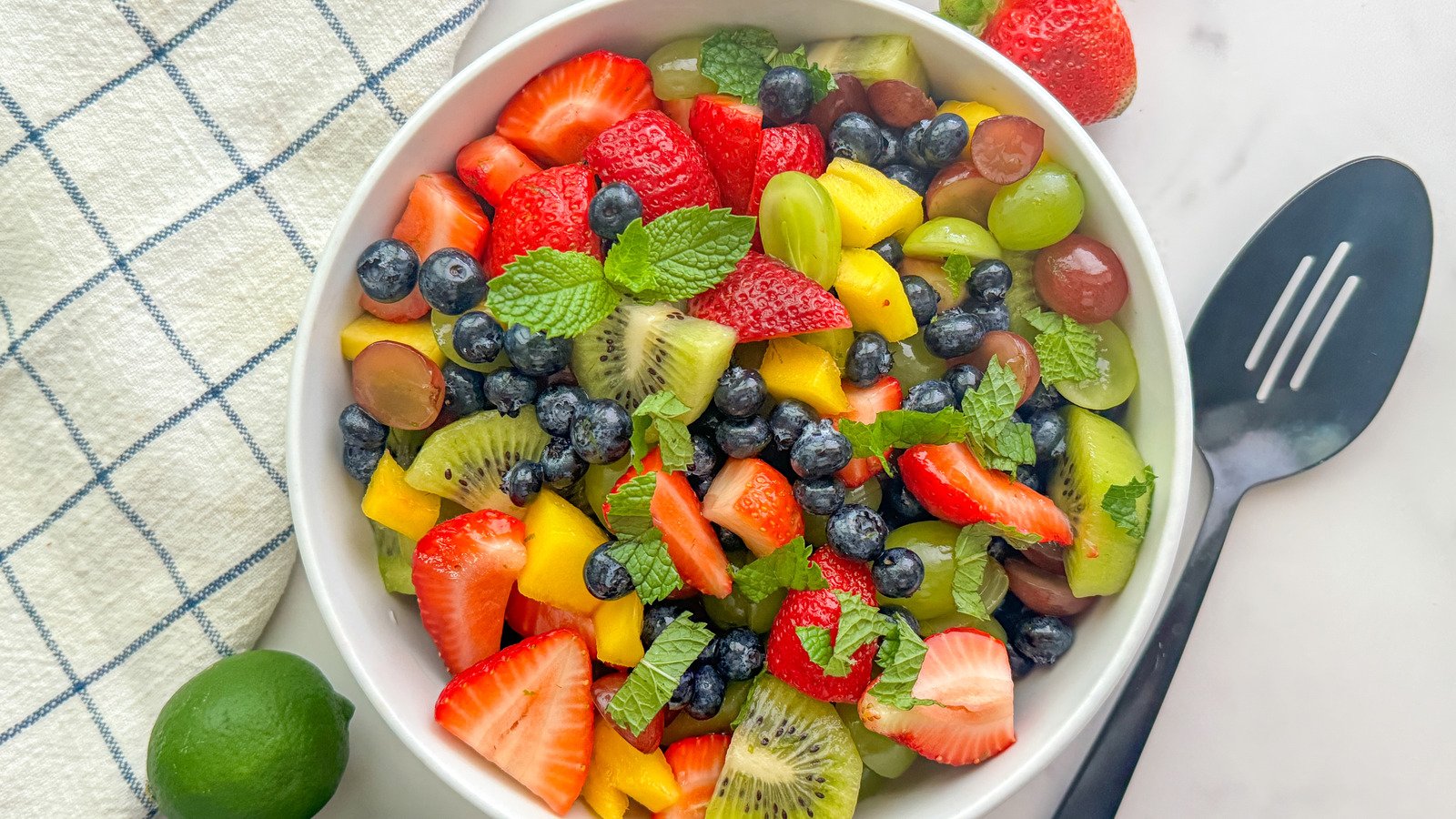
There’s something magical about a bowl of fresh fruit, isn’t there? It’s the ultimate simple pleasure—a burst of sunshine, a natural sugar rush, and a vibrant work of art all in one. But let’s be honest, sometimes a plain fruit salad can feel, well, a little… plain. That’s where the secret ingredient comes in: a tangy, sweet, and unbelievably refreshing honey lime dressing. I remember my grandmother making this for our family get-togethers. The kids would devour it before the main meal even hit the table, and the adults would keep going back for “just one more spoonful.” The dressing transforms a simple fruit salad into a dazzling, crave-worthy dish. It’s a game-changer, and once you try it, you’ll never go back to undressed fruit again.
Why Honey Lime Dressing is a Game-Changer
A good dressing elevates a dish from good to unforgettable. The honey lime dressing is no exception. Its unique flavor profile—a delicate balance of sweetness from the honey and a zesty tang from the fresh lime—enhances the natural flavors of the fruit without overwhelming them. It’s a light, refreshing alternative to heavy, creamy dressings that can weigh a dish down.
The Anatomy of the Perfect Fruit Salad
Creating a great fruit salad is more than just chopping up a few pieces of fruit and tossing them in a bowl. It’s about balance, color, and texture. Think of it as a culinary canvas where each fruit plays a crucial role. I learned this the hard way one summer when I tried to make a fruit salad with only bananas and apples. It turned brown and mushy within an hour. The key is to select a mix of fruits that look good together, taste great, and hold up well to being tossed.
Selecting Your Fruits: A Symphony of Flavors and Colors
The best fruit salads are a feast for both the eyes and the palate. Aim for a variety of colors, textures, and flavors—sweet, tart, and everything in between. This approach ensures every bite is a new and exciting experience. It’s a good idea to start with a base of more robust fruits and then add softer ones just before serving.
- Hearty Fruits: These form the foundation of your salad. Think cantaloupe, honeydew melon, and pineapple. They are firm and won’t get mushy.
- Juicy Berries: Strawberries, blueberries, and raspberries add pops of color and bursts of juice. They are a must-have for visual appeal and flavor.
- Citrus & Tropical: Oranges and kiwi provide a tangy contrast. Mango and papaya bring a lush, tropical sweetness.
- Softer Fruits (Add Last): Peaches, nectarines, and bananas are delicious but can bruise or brown quickly. Add them at the very end to keep your salad looking fresh.
Mastering the Honey Lime Dressing
This dressing is the star of the show, but it’s surprisingly simple to make. You don’t need any fancy equipment—just a bowl, a whisk, and a few key ingredients. The secret to a great dressing lies in using fresh ingredients, especially the lime juice. Bottled juice just doesn’t have the same vibrant kick.
The Simple Recipe:
- 1/4 cup fresh lime juice (from about 2-3 limes)
- 1/4 cup honey (local honey is a great choice)
- 1/4 teaspoon vanilla extract (optional, but highly recommended for depth of flavor)
- A pinch of salt
Whisk all the ingredients together in a small bowl until the honey is fully dissolved. That’s it! You’ve just created a dressing that will transform your fruit salad. For a slightly different twist, you can also add a pinch of chili powder for a spicy-sweet kick or a few fresh mint leaves for a refreshing aroma.
How to Assemble and Store Your Fruit Salad
Assembling the salad is a straightforward process, but timing is everything. To prevent your fruit salad from turning into a soggy mess, always add the dressing right before serving. This is a common mistake I see people make, and it’s an easy one to fix. The acid in the lime juice will naturally help to prevent fruits like apples and bananas from browning.
Step-by-Step Assembly:
- Prepare the Fruits: Wash and dry all your fruits thoroughly. Chop them into bite-sized pieces, keeping them roughly the same size for uniform bites.
- Combine the Fruits: In a large mixing bowl, gently combine the fruits. Start with the heartier ones first.
- Drizzle the Dressing: Pour the honey lime dressing over the fruit just before you plan to serve it.
- Toss Gently: Use a large spoon to toss the fruit and dressing until everything is evenly coated. Be gentle to avoid bruising the softer fruits.
Storage Tip: If you have leftovers, store the fruit salad in an airtight container in the refrigerator. It’s best to eat it within 1-2 days. The dressing will continue to marinate the fruit, making the flavors even more pronounced.
A Comparison of Dressings: Honey Lime vs. Others
While honey lime dressing is a clear winner in my book, it’s helpful to see how it stacks up against other popular fruit salad dressings. Each has its own unique characteristics and best uses.
| Dressing Type | Key Ingredients | Pros | Cons | Best For |
| Honey Lime | Honey, Lime Juice | Light, refreshing, enhances fruit flavor, prevents browning | Can be too tangy for some palates | All-purpose fruit salad, picnics, hot weather |
| Yogurt-Based | Greek Yogurt, Honey, Vanilla | Creamy, adds protein, makes it a more substantial snack | Can be heavy, may curdle with certain fruits, higher in calories | Breakfast parfaits, desserts, winter salads |
| Simple Syrup | Sugar, Water | Classic, simple, adds sweetness without altering flavor | Can be overly sweet, lacks complexity | Preserving canned fruit, classic fruit cocktail |
| Citrus Vinaigrette | Olive Oil, Lemon Juice, Sugar | Savory and sweet, unique flavor profile | Olive oil can clash with some fruit, heavier than honey lime | Salads with savory elements (e.g., grilled chicken, feta cheese) |
Export to Sheets
This comparison shows why honey lime dressing is the go-to for a light, healthy, and crowd-pleasing fruit salad. It strikes the perfect balance.
People Also Ask (PAA)
- What is the best way to keep a fruit salad from getting soggy? The key is to choose firm fruits and to add any watery fruits, like watermelon or cantaloupe, just before serving. Also, prepare the dressing separately and only pour it over the salad right before you are ready to eat it.
- Can you make fruit salad with honey lime dressing ahead of time? While you can prepare and chop the fruits a day in advance, it’s best to store them separately in the refrigerator and only toss them with the dressing right before serving to maintain freshness and crispness.
- What fruits go well with a honey lime dressing? Almost any fruit! Berries, melons, tropical fruits like mango and pineapple, and stone fruits like peaches and plums all pair beautifully with the sweet and tangy dressing.
Common Questions & Troubleshooting
- Q: My dressing tastes too sour. What did I do wrong? A: It’s likely you have a very acidic lime. Simply add a bit more honey, one teaspoon at a time, until the balance is just right for your taste. A pinch of salt can also help to mellow the acidity.
- Q: Can I use bottled lime juice? A: While you can, it’s highly recommended to use fresh lime juice for the best flavor. Bottled juice often has a duller, sometimes metallic taste that won’t give you the bright, zesty kick you’re looking for.
- Q: How can I make this dressing healthier? A: The dressing is already quite healthy! For a lower-sugar option, you can use a sugar-free syrup or a honey alternative, though the taste may be slightly different. You can also reduce the amount of honey you use to a level that you prefer.
Conclusion
A fruit salad with honey lime dressing is more than just a dish; it’s a refreshing escape, a vibrant celebration of natural flavors, and a simple act of culinary creativity. It’s a recipe I’ve relied on for years, from family barbecues to lazy Sunday brunches, and it has never failed to impress. The combination of sweet, tart, and fresh is truly unbeatable. So, the next time you’re looking to elevate your fruit, skip the plain bowl and reach for that honey and lime. Trust me, your taste buds will thank you.
About the Author