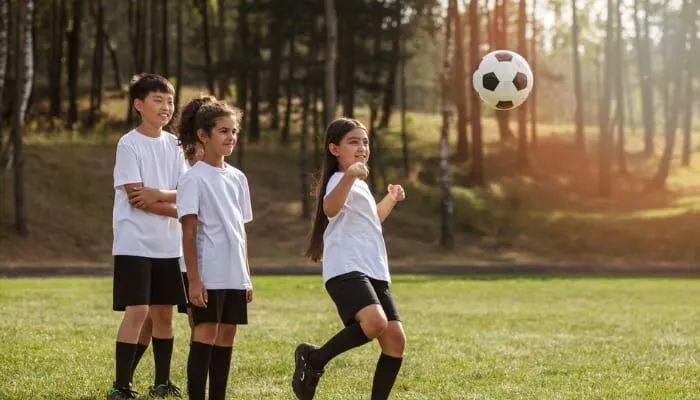
Childhood is one of the most formative stages of life. It is during these years that children develop habits, values, and skills that stay with them forever. Among the many activities that shape a child’s growth, playing sports stands out as one of the most powerful. From building strong bones to teaching teamwork, sports provide lessons that classrooms sometimes can’t fully deliver.
Parents, educators, and communities often encourage children to take part in athletics—not only for the fun of running, kicking, or scoring goals—but for the lifelong advantages that sports participation offers. Let’s explore the 10 benefits of playing sports as a child, backed by real experiences, research, and expert insights.
1. Physical Health and Fitness
Children today are surrounded by screens, and physical activity levels are declining globally. Sports provide a natural way to keep kids active while making exercise fun. Regular participation strengthens the heart, improves lung capacity, and enhances muscle and bone growth.
For example, a child who plays football or basketball burns calories, improves cardiovascular endurance, and develops coordination. Unlike routine workouts, sports don’t feel like a chore—they’re playful, competitive, and rewarding.
Key physical benefits include:
- Stronger immune system
- Reduced risk of obesity
- Improved balance and flexibility
- Better sleep quality
2. Mental and Emotional Well-Being
Sports aren’t just about physical growth—they’re powerful tools for mental health. Exercise releases endorphins, the body’s natural “happy hormones,” which reduce stress and anxiety. Children who play regularly often show fewer symptoms of depression and enjoy higher self-esteem.
Think of a child scoring their first goal or finishing a race—it builds confidence and creates a sense of accomplishment. Even small wins in sports nurture resilience and joy.
3. Discipline and Time Management
To excel in sports, children need to practice regularly, follow rules, and balance academics with training. This teaches discipline and time management at an early age.
For instance, a child juggling football practice, homework, and family time learns how to prioritize tasks—an essential life skill. They begin to understand the value of routine, punctuality, and responsibility.
Table: Academic vs. Sports Time Management Skills
| Academic Life | Sports Life |
|---|---|
| Completing homework on time | Attending practice sessions |
| Preparing for exams | Preparing for matches |
| Following school rules | Following game rules |
4. Social Skills and Friendships
Sports bring children together in ways few other activities can. Playing on a team helps kids learn cooperation, communication, and leadership. They also form friendships that often last a lifetime.
Whether it’s sharing snacks after practice or celebrating a team victory, these small moments create bonds. Sports also expose children to diversity, teaching them to work with peers from different backgrounds.
5. Teamwork and Leadership
Not every child will become a captain, but sports naturally create opportunities to lead and follow. A basketball team relies on each player, just as society thrives on cooperation.
Children learn that individual talent shines brighter when combined with teamwork. At the same time, those in leadership roles discover the importance of guiding others, making decisions, and handling pressure gracefully.
6. Academic Performance Boost
Interestingly, multiple studies show that children who play sports often perform better academically. Exercise increases blood flow to the brain, improving concentration and memory.
A child who runs track may find themselves sharper in math, while a swimmer could be more focused during reading sessions. Sports don’t take away from studies; they enhance them by keeping the mind alert.
7. Handling Failure and Building Resilience
Life is full of ups and downs, and sports mirror this reality perfectly. Not every game is a win, and children quickly learn that setbacks are part of growth.
Losing a match or missing a shot can be disappointing, but it teaches kids resilience. They discover how to bounce back, work harder, and try again—skills that serve them well in school, work, and personal life.
8. Character Development and Values
Sports are fertile grounds for instilling values like honesty, respect, and fairness. Rules ensure fair play, and children understand the importance of integrity.
When a young athlete shakes hands after a tough match, they learn respect. When they admit a foul, they display honesty. Over time, these moments build strong moral foundations.
9. Lifelong Healthy Habits
Children who grow up playing sports are more likely to remain active adults. Early exposure to athletics sets a foundation for a lifetime of healthy habits—regular exercise, better nutrition choices, and an appreciation for wellness.
For instance, a child who learns to enjoy running may continue jogging into adulthood, avoiding lifestyle diseases like diabetes or hypertension.
10. Fun, Joy, and Happy Memories
At the heart of it all, sports are about fun. The laughter during practice, the thrill of scoring, the playful rivalries—all create joyful memories.
Years later, many adults fondly recall their childhood sports experiences. These moments shape not only physical health but emotional well-being, creating stories worth telling.
Pros and Cons of Children Playing Sports
| Pros | Cons |
|---|---|
| Improved health and fitness | Risk of injuries |
| Stronger social bonds | Pressure from competition |
| Better discipline | Time demands |
| Higher self-confidence | Possible burnout if over-trained |
Note: The pros generally outweigh the cons, especially when parents, schools, and coaches maintain balance and provide proper guidance.
People Also Ask (PAA)
Why are sports important for children’s development?
Sports help children grow physically, mentally, and socially. They encourage discipline, teamwork, and resilience while promoting lifelong healthy habits.
At what age should a child start playing sports?
Children can begin light physical play at 3–4 years old, but structured sports are best introduced around 6–7 years, depending on the child’s interest and development.
Do sports improve a child’s academic performance?
Yes. Physical activity improves brain function, concentration, and memory, which positively impact academic performance.
How many hours should kids play sports weekly?
Experts recommend at least 60 minutes of physical activity per day, but structured sports should balance with academics and rest.
FAQs
Q1. What sport is best for young children?
Sports like swimming, soccer, and gymnastics are ideal because they develop coordination, balance, and flexibility.
Q2. Can sports make my child too competitive?
Healthy competition builds character. However, guidance from parents and coaches ensures that competitiveness doesn’t turn into unnecessary pressure.
Q3. How do I encourage my shy child to join sports?
Start with fun, low-pressure games, and gradually introduce them to team activities. Support and celebrate small milestones.
Q4. Do sports affect a child’s mental health?
Absolutely. Sports boost self-esteem, reduce stress, and improve emotional regulation, making children happier and more confident.
Q5. How can parents balance sports and academics?
Set realistic schedules, encourage time management, and communicate with coaches to ensure children don’t feel overwhelmed.
Final Thoughts
Sports are more than just games; they are life lessons disguised as play. From teaching discipline to creating lifelong memories, sports prepare children for challenges inside and outside the classroom.
Encouraging your child to join a sport isn’t about chasing trophies—it’s about giving them the gift of health, confidence, and happiness. In a world filled with distractions, sports offer a grounding force that helps kids grow into well-rounded, resilient, and joyful adults.
So, lace up those sneakers, grab the ball, and let your child experience the magic of sports. Their future self will thank you.
About the Author