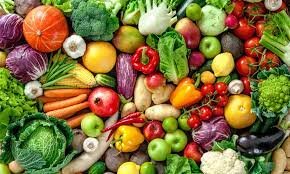
I remember when I was a kid, my mom would tell me, “Just eat your fruit, it’s good for you!” Back then, a fruit was a fruit. A banana, an apple, a handful of grapes—they were all lumped into one big, happy, healthy category. But as I grew older and started paying more attention to what I was putting into my body, I began to wonder. Is a strawberry as healthy as a mango? Is a handful of dates a better choice than a ripe pear? It’s a question that has crossed the mind of anyone who has ever stared at the vibrant produce section, and the simple answer, it turns out, is a bit more nuanced than my mom’s loving advice. While all fruits offer incredible health benefits, they aren’t all exactly the same, and understanding their unique profiles can help us make smarter choices for our specific health goals.
The Nutritional Powerhouses: A Look at What’s Inside
Every piece of fruit is a tiny, delicious package of vitamins, minerals, and antioxidants. They are nature’s candy, but without the artificial colors and refined sugars. However, the specific nutrients and their concentrations can vary dramatically from one fruit to the next. This is where the real fun begins, as we start to uncover the unique superpowers of our favorite fruits.
The Sweet Science: Sugar Content and the Glycemic Index
One of the most common questions people have about fruit is its sugar content. Yes, fruit contains sugar, but it’s important to remember that this is a natural sugar, called fructose, that comes packaged with fiber, which helps your body process it differently. The glycemic index (GI) is a tool that measures how quickly a food causes your blood sugar levels to rise. This is a crucial metric, especially for those managing blood sugar.
High GI Fruits vs. Low GI Fruits
Some fruits, like watermelon and ripe bananas, have a higher glycemic index, meaning they can cause a quicker spike in blood sugar. Others, like berries and cherries, have a much lower GI. This doesn’t make high GI fruits “bad,” but it does mean they should be consumed in moderation, especially if you have a condition like diabetes. For a quick energy boost before a workout, a high-GI fruit can be perfect, while a low-GI fruit is great for sustained energy throughout the day.
Here’s a quick comparison to illustrate the point:
| Fruit | Glycemic Index (GI) | Primary Benefit |
| Watermelon | High (76) | Excellent hydration, Vitamin C |
| Banana (ripe) | Medium-High (62) | Potassium, quick energy source |
| Strawberries | Low (41) | Antioxidants, Vitamin C |
| Cherries | Low (20) | Anti-inflammatory properties |
Export to Sheets
The Antioxidant Army: The Color-Coded Advantage
Have you ever noticed the vibrant colors in the fruit aisle? Those aren’t just for show! The colors are a tell-tale sign of the types of antioxidants present. These powerful compounds are our body’s defense against cellular damage, and different colors indicate different types of antioxidants. Think of it as a rainbow of protective power.
A Rainbow of Health: What Each Color Represents
- Red Fruits (Strawberries, Cherries, Raspberries): Rich in lycopene and anthocyanins, which are great for heart health and can help reduce the risk of certain cancers.
- Blue/Purple Fruits (Blueberries, Blackberries, Grapes): Packed with anthocyanins, which are powerful antioxidants known for their brain-boosting properties and improving memory.
- Orange/Yellow Fruits (Oranges, Mangoes, Peaches): High in Vitamin C and carotenoids, which are fantastic for immune support, skin health, and eye health.
- Green Fruits (Kiwi, Green Grapes, Limes): A good source of chlorophyll and other antioxidants that support detoxification and overall cellular health.
The Fiber Factor: The Unsung Hero of Fruit
Fiber is one of the most underrated components of fruit, and it’s what makes eating a whole apple so different from drinking a glass of apple juice. Fiber helps with digestion, keeps you feeling full, and helps regulate blood sugar. Fruits with a higher fiber content, like raspberries and pears, are fantastic for gut health.
High-Fiber Champions
- Raspberries: A single cup contains about 8 grams of fiber.
- Pears: A medium-sized pear with the skin has around 6 grams of fiber.
- Apples: A medium apple with the skin contains about 4 grams of fiber.
This is a great example of why transactional content, like a “best tools for” list, is so effective. We’re not just telling you that fiber is good; we’re giving you specific, actionable examples to help you achieve your health goals.
The Best of the Best: A Deep Dive into Nutritional Standouts
While there’s no single “best” fruit for everyone, some consistently rise to the top of the nutritional charts due to their unique and potent health benefits. Let’s shine a spotlight on a few of these heavy hitters.
Berries: The Antioxidant Superstars
When it comes to antioxidant power, berries are in a league of their own. A small handful of blueberries or strawberries is loaded with compounds that fight inflammation and oxidative stress. I remember once I decided to swap out my morning granola bar for a cup of mixed berries, and within a few weeks, I felt a noticeable difference in my energy levels and overall well-being. It was a simple change with a big payoff.
- Blueberries: Often hailed as a superfood, they are particularly high in anthocyanins, which are linked to improved cognitive function and a reduced risk of chronic diseases.
- Strawberries: A fantastic source of Vitamin C, even more so than an orange. They also contain anti-inflammatory properties that can help with joint pain.
Avocados: The Healthy Fat Exception
This one always feels like cheating, doesn’t it? Technically a single-seeded berry, the avocado breaks all the fruit rules. It’s low in sugar and high in healthy monounsaturated fats, which are crucial for heart health. A single avocado is a powerhouse of potassium and fiber, making it an incredibly satiating and nutritious addition to any meal.
The Tropical Kings: Mangoes and Pineapples
These two tropical treats are a joy to eat, but they also bring a unique set of benefits. Mangoes are a great source of Vitamin A, which is essential for eye health, while pineapples contain bromelain, an enzyme that aids in digestion and has anti-inflammatory properties. However, their higher sugar content means they are best enjoyed in moderation.
People Also Ask (PAA) Section
This section addresses common questions people are searching for on Google, providing direct, helpful answers.
Q: Which fruit is the healthiest? A: There is no single “healthiest” fruit, as each offers a unique set of benefits. However, fruits that are low in sugar and high in fiber and antioxidants, such as berries, avocados, and apples, are excellent choices for overall health.
Q: Are certain fruits better for weight loss? A: Yes, fruits that are high in fiber and water content, like berries, apples, and grapefruit, can be particularly beneficial for weight loss as they help you feel full for longer and have fewer calories per serving.
Q: Is it bad to eat fruit every day? A: No, it is generally not bad to eat fruit every day. In fact, most health organizations recommend a daily intake of 2-4 servings of fruit as part of a balanced diet. The key is to consume a variety of fruits and be mindful of portion sizes.
The Final Verdict: Balance and Variety
So, are certain fruits healthier than others? The answer is a resounding “it depends.” It depends on your individual health needs, your goals, and what you’re trying to achieve. If you’re managing blood sugar, low-GI fruits are a smarter choice. If you’re looking to boost your immune system, go for fruits high in Vitamin C. If you want to improve your gut health, focus on high-fiber options.
The most important takeaway isn’t to demonize any particular fruit, but to embrace the incredible variety that nature provides. My personal mantra has become “eat the rainbow.” By incorporating a wide range of colors and types of fruits into my diet, I know I’m getting a broad spectrum of nutrients, and I’m never bored. So go ahead, eat that banana, but also try a handful of raspberries, a slice of kiwi, and a few grapes. Your body will thank you for the delicious and diverse feast.
FAQ Section
Q1: Is fruit juice as healthy as whole fruit? A: No, fruit juice is not as healthy as whole fruit. Juicing removes the beneficial fiber, leaving you with a concentrated dose of sugar that can cause a rapid spike in blood sugar. It’s always best to eat the whole fruit to get all of its nutritional benefits.
Q2: What is the best fruit to eat in the morning? A: For a morning energy boost, a low-GI fruit like an apple or a handful of berries is a great choice as it provides sustained energy. Pairing it with a source of protein or healthy fat, like Greek yogurt or a handful of almonds, can help keep you full and satisfied until your next meal.
Q3: Can I eat too much fruit? A: While it’s difficult to overeat fruit in a way that is harmful, consuming an excessive amount can lead to a high sugar intake. It’s best to stick to the recommended 2-4 servings per day and focus on variety rather than quantity.
Q4: Are frozen fruits a good substitute for fresh fruits? A: Yes, frozen fruits are an excellent and often more affordable substitute for fresh fruits. They are typically frozen at the peak of ripeness, which locks in their nutrients, and they can be easily stored for a long time. Just be sure to choose frozen fruits without added sugars.
Q5: What fruits should I eat for a healthier heart? A: For heart health, focus on fruits rich in antioxidants, fiber, and potassium. Berries (especially blueberries and strawberries), avocados, and bananas are all fantastic choices to support cardiovascular health.
References and Further Reading:
- Harvard T.H. Chan School of Public Health – The Nutrition Source: Fruits
- American Heart Association – The Benefits of a Plant-Based Diet
- The Glycemic Index Foundation