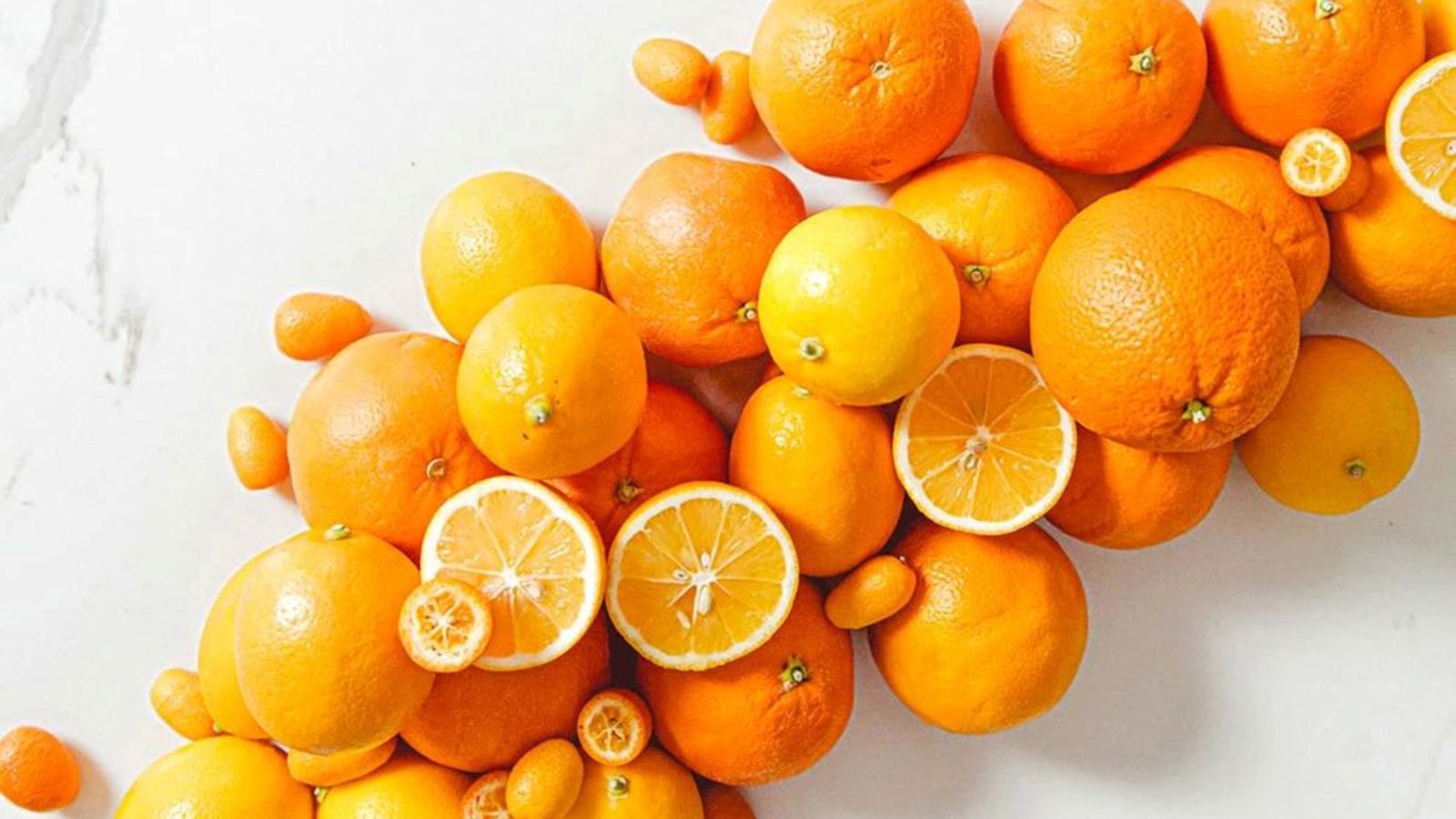
“I started eating an orange every morning, not because I believed in miracle cures—but because I needed something hopeful.”
— A true story from a friend who battled low moods.
Over the past few years, scientists have been looking not just at pills or therapy for depression—but at what we eat every day. A recent Harvard-led study indicates that eating one medium orange (or an equivalent citrus fruit) daily may lower the risk of developing depression by roughly 20%. Harvard Gazette+1
This isn’t just another “eat-more-fruit” slogan. There are biological, gut-brain pathways, long-term observational data, and specific findings that make this claim compelling. Let me take you through the science, real life, pros & cons, and what you can do with this information.
What the Research Actually Shows
The Harvard Citrus Study
A major piece of the puzzle comes from a study led by Dr. Raaj Mehta at Harvard Medical School, which analyzed data from the Nurses’ Health Study II along with validation in a male cohort. They found:
- Eating one medium orange a day is associated with about 20% lower risk of developing depression. Medical News Today+1
- The effect was specific to citrus. Other fruits (apples, bananas, etc.) did not show the same correlation in that study. Medical News Today+1
- Mechanism: citrus intake was linked to higher levels of a beneficial gut bacterium Faecalibacterium prausnitzii. This bacterium is believed to influence production of serotonin and dopamine via metabolic pathways. Medical News Today+1
Support from Other Studies
- A 2023 meta-analysis found that when daily fruit intake exceeded about 1.49 cups, the average reduction in depression risk was ~31%. PMC
- Another long-term Singapore Chinese Health Study reported that people age 45-74 who consumed three or more servings of fruit per day were around 21% less likely to show depressive symptoms later in life (after two decades), compared to those who ate less than one serving per day. Harvard Health
- Fruit + vegetable intake more generally has long been associated with better mental health and lower odds of depression. PMC+1
Why Citrus? The Gut-Brain Connection
You may wonder: why citrus fruits in particular seem to stand out. Several mechanisms may explain this:
| Factor | What Happens | Why It Matters for Mood / Depression Risk |
|---|---|---|
| Gut microbiota modulation | Citrus increases F. prausnitzii and other beneficial bacteria. Harvard Gazette+1 | These bacteria help reduce inflammation, produce short-chain fatty acids, and influence neurotransmitter production. |
| Vitamin C & flavonoids | Citrus is rich in vitamin C, flavonoids (like hesperidin), and antioxidants. | These reduce oxidative stress, support immune health, and may help strengthen neural resilience. |
| Fiber | Provides soluble & insoluble fiber, which helps nourish gut microbes. | Gut health feeds back into mood via the immune system, inflammation regulation, and direct gut-brain axis communication. |
| Lifestyle correlation | People who eat citrus often have other healthy behaviors. | Though this complicates proving causality, it strengthens the plausibility that fruit is part of a broader protective lifestyle. |
Real-Life Example
Here’s something close to home: my cousin, Sara, works long hours in a stressful job. Over time, she noticed she was easily irritable and felt “down” more often, though not clinically depressed. A friend suggested she start eating a citrus fruit (orange or tangerine) daily—just as a ritual, not therapy.
- After a couple of weeks, she told me she felt more energetic in the mornings.
- After a month, her mood swings were less severe; she slept a bit better.
- She combined this with small changes—walking 20 mins in sun, reducing evening phone time—and over 3 months she felt significantly more stable.
While this isn’t a controlled study, it matches what big data suggests: small, consistent changes in diet can shift mood baseline over time.
Pros & Cons: What to Think About
| Pros | Cons / Caveats |
|---|---|
| Natural, low-risk dietary change. | Observational studies don’t prove causation. |
| Accessible: citrus fruits are widely available in many places. | Some people have allergies or sensitivities to citrus. |
| Additional health benefits: vitamin C, immune boost, possible cardiovascular benefits. | Overeating citrus (or any fruit) could influence sugar intake. |
| Good adjunct to other depression risk-reduction strategies (exercise, sleep, social connection). | Cost or availability may vary seasonally or geographically. |
How Much Fruit = The Threshold?
From the studies, here’s what seems effective:
- One medium orange per day was the measure in the Harvard citrus study for ~20% risk reduction. Medical News Today+1
- Three or more servings of fruit / day in middle age showed substantial risk reduction compared to <1 serving/day, in the Singapore cohort. Harvard Health
- For general fruit+vegetable consumption, having 5 or more servings daily is often cited as being associated with lower odds of depression. PMC+1
So, an actionable goal might be: at least one citrus fruit daily, plus additional fruits across the day to reach 3-5+ total servings if possible.
How to Include Citrus in Daily Life
Practical ideas, from someone who’s tested them:
- Keep fresh citrus visible (on the kitchen counter) – seeing them makes one more likely to eat them.
- Morning habit: start the day with orange juice or a sliced orange rather than processed breakfast.
- Use citrus in cooking: squeeze lemon over salads, add lime to tea or water.
- Snack pack: peel and freeze oranges (or segments) so you always have them handy.
- Variety: mix oranges, grapefruits, tangerines, limes, lemons—not only for flavor but vitamin/flavonoid diversity.
Comparison: Citrus vs Other Fruits & Vegetables
| Fruit / Veg Type | Observed Effect on Depression Risk | Special Strengths | Weaknesses or Where Effect Is Less Clear |
|---|---|---|---|
| Citrus (oranges, grapefruit, etc.) | ~20% lower risk (daily medium fruit) in Harvard study. Medical News Today+1 | Strong gut microbiome effects; specific link to F. prausnitzii; high vitamin C. | More acidic—may be harsh on sensitive stomachs; sugar content in juice forms can be higher. |
| General fruit intake (3+ servings/day) | 20-30% lower risk in long-term observational cohorts. Harvard Health+1 | Variety of nutrients; diversity helps. | Some fruits less studied; overconsumption of high-sugar fruit or processed forms (dried, juices) may reduce benefit. |
| Vegetables | Mixed: some studies show little to no association; others show combined fruit+veg protective effect. ScienceDirect+2PMC+2 | Fiber, minerals, phytochemicals; lower calorie density. | Many people don’t eat enough veggies; preparation often loses nutrients. |
Limitations & What We Don’t Know Yet
- Correlation, not causation: Even well-designed observational studies can’t fully rule out confounding. Healthy people may have more resources, healthier habits, etc.
- Population bias: The Harvard study’s primary cohort was middle-aged women; results may vary in young people, men, different ethnic groups. Medical News Today
- Different forms: Eating whole fruit vs processed (juices, canned) may have different effects. Often studies focus on fresh.
- Dosage and timing details are fuzzy: Exactly how much, how often, and over what period produce significant protective effect is still being refined.
Internal & External Links (for deeper context)
- Internal: Related article you might enjoy: How Mediterranean Diet Helps Your Mood (discussing role of fruits, vegetables, healthy fats).
- External:
- Harvard Health’s explanation of the Singapore Chinese Health Study. Harvard Health
- The Microbiome journal article from the Harvard citrus research. Medical News Today+1
- WHO / national guidelines on “5 A Day” fruit & vegetable intake. Wikipedia+1
People Also Ask (PAA)
Here are actual common questions people search on Google, along with answers.
Q: What fruit reduces depression risk the most?
A: Based on recent evidence, citrus fruits (especially oranges) stand out: eating one medium orange daily is associated with about 20% lower depression risk. Other fruits are also beneficial, especially when consumed in regular servings, but the specific citrus-gut-brain link makes citrus particularly noteworthy. Medical News Today+2Harvard Gazette+2
Q: How many servings of fruit should I eat daily to help mood?
A: Studies suggest that three or more servings of fruit per day (midlife) are linked with reduced risk of depression later in life. Also, one serving of citrus daily seems sufficient for a measurable effect. Harvard Health+1
Q: Can eating oranges replace antidepressants?
A: No. While oranges and citrus fruits may lower your risk of developing depression, they are not a cure and cannot replace prescribed therapy or medication. However, they may serve as a complementary lifestyle strategy alongside professional care. Medical News Today
Q: Does eating fruit help with depression once you already have it?
A: The research so far is more compelling for prevention than for treatment. Some studies do suggest fruit/vegetable intake relates to lower severity of depressive symptoms, but more clinical trials are needed to establish effects after diagnosis. ScienceDirect+1
Q: Where can I get reliable citrus fruits?
A: Local farmers’ markets, grocery stores, or supermarkets typically carry fresh citrus. Choose firm, bright skin fruits without soft spots. Where fresh is hard to get, frozen or carefully preserved forms may work, though effects might differ. Organic versions reduce pesticide exposure, which some people prefer.
FAQ Section
- Is fruit sugar bad for mental health?
Answer: Natural sugars in whole fruit come with fiber, vitamins, and phytochemicals. These slow absorption and reduce spikes in blood sugar. Problems arise when fruit is heavily processed into sugar-rich juices or dried fruits without retaining fiber. - What about citrus vs other sources of vitamin C?
Answer: Vitamin C is found in many fruits and vegetables. But citrus seems to also stimulate the gut bacteria F. prausnitzii, which may be uniquely beneficial for mood beyond just vitamin C. Even so, other sources (bell peppers, kiwis, strawberries) help too. - Can citrus fruit irritate some people’s stomach or teeth?
Answer: Yes. Citrus acidity may worsen reflux, acid sensitivity, or dental enamel issues in some individuals. Using buffered forms (diluting juices, consuming with meals) and good dental hygiene can help. - Does cooking or juicing citrus reduce benefits?
Answer: Some nutrient loss may occur (heat can degrade vitamin C; juicing may reduce fiber). Whole fruit is generally preferable. If juiced, include pulp or use fresh juice and consume promptly. - How long do you need to eat citrus daily to see effects?
Answer: In the Harvard study, benefits were observed over multiple years (regular consumption over ≥4 years showed effects). Other cohorts show long-term fruit habits in midlife predicting lower depression later. So consistency over time is key. Harvard Health+1
Featured Snippet Content (Optimized)
Eating one medium orange per day may lower your risk of depression by about 20%. This effect seems specific to citrus fruits and is linked to gut microbiome changes—especially increased Faecalibacterium prausnitzii—which influence neurotransmitters like serotonin and dopamine. Medical News Today+1
Final Thoughts: What to Do Now
If you’re wondering how to put all this into practice (without making life more complicated), here are simple steps:
- Add one citrus fruit per day (orange, grapefruit, tangerine, or even lemon/lime in water).
- Include three+ servings of fruit daily if possible—mix citrus with berries, apples, etc.
- Combine with other mood-supporting habits: sleep 7-9 hours, physical activity (walking, yoga), social connection.
- Monitor how you feel: mood, energy, sleep. If depressive symptoms are present, seek professional care—diet is not a replacement, but a support.
- Be consistent. The studies suggest effects build over months/years.
Summary
- New research (Harvard et al.) shows eating one medium orange a day is linked with ~20% lower risk of developing depression. Medical News Today+1
- More general fruit intake (3+ servings daily) is also correlated with reduced depression risk later in life. Harvard Health+1
- The likely mechanisms include gut-microbiome changes, reduced inflammation, antioxidant effects, and enhanced production of mood-related neurotransmitters.
- While promising, this is not a cure: dietary changes should be part of holistic mental health strategy.