Hey there, friend. Picture this: It’s a rainy Tuesday evening, and I’m curled up on the couch after a long day, staring at a bag of chips that’s somehow materialized in my hand. I know better—I’ve spent years as a nutrition coach helping folks ditch these sneaky saboteurs—but that crunch? It’s like a siren song. We’ve all been there, right? Junk food isn’t just food; it’s a cultural icon, a quick fix for stress, boredom, or that mid-afternoon slump. But what if I told you it’s also a wolf in sheep’s clothing, disguised as comfort? In this deep dive, we’ll unpack the highs, the crashes, and the smarter paths forward. Stick with me—by the end, you’ll feel armed and ready to make choices that fuel you, not fool you.
What Exactly Is Junk Food?
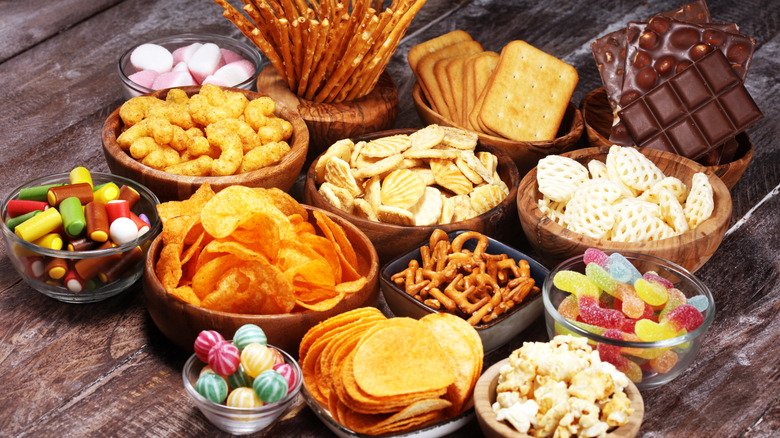
Junk food gets slapped with that label because it’s basically empty promises on a plate—high in calories from sugar, salt, and fats, but skimpy on the good stuff like vitamins, minerals, and fiber. Think potato chips, sodas, candy bars, or those neon-orange cheese puffs that leave your fingers sticky and your gut grumbling for more. It’s not about the occasional burger if it’s homemade with fresh toppings; it’s the ultra-processed culprits engineered in labs to hook you fast.
I remember my first real wake-up call. Back in college, I’d polish off a family-size bag of Doritos during exam week, thinking it was “survival fuel.” Spoiler: It wasn’t. My energy tanked, my skin rebelled, and I gained 10 pounds I didn’t need. Turns out, junk food is defined more by how it’s made than what it is—ultra-processing strips away nutrients while amping up additives for that irresistible “more” feeling. No wonder it feels like betrayal in snack form.
A Quick History of Junk Food’s Rise to Fame
Junk food didn’t just pop up overnight; it rode the waves of industrialization in the early 1900s, when factories churned out cheap, shelf-stable treats to feed a growing urban workforce. Canned goods and early snacks like Cracker Jack debuted around the Civil War era, but the real boom hit post-WWII with convenience kings like McDonald’s and mass-produced cereals loaded with sugar. By the 1950s, the term “junk food” was born, thanks to critics like Michael Jacobson who called out its nutritional void.
Flash forward, and it’s everywhere—from vending machines in schools to targeted ads on your phone. Remember when I tried ditching it cold turkey in my twenties? I lasted three days before raiding the vending machine at work. The history lesson here? Junk food thrives on our busy lives, but knowing its roots helps us see it’s not inevitable—it’s engineered.
Common Ingredients Lurking in Your Favorite Snacks
Ever flip a bag of chips and play detective with the label? You’ll spot high-fructose corn syrup (that sneaky sugar bomb), trans fats for crispiness, and sodium levels that could salt a swimming pool. Artificial colors and flavors keep it looking and tasting “fun,” while preservatives ensure it outlives your grandkids. These aren’t accidents; they’re science tricks to make your brain scream “yes” before your stomach catches up.
One client of mine, a busy mom named Sarah, scanned her kids’ cereal box and gasped—more sugar than a candy bar per serving. We swapped it out, and her family’s moods stabilized overnight. It’s eye-opening how these hidden heroes (or villains?) shape our days without us noticing.
Sugar: The Sweet Deceiver
Sugar hides in 74% of packaged foods, spiking your blood sugar like a rollercoaster from hell—quick high, brutal crash. It’s not just candy; it’s in “healthy” yogurts and granola bars too.
I once challenged myself to a sugar-free week and felt like a zombie by day three. But clarity hit on day five—fewer headaches, steadier energy. Sugar’s the junk food MVP for a reason: It lights up your reward center like fireworks.
Salt: The Sneaky Crunch Master
Salt makes everything pop, but at 2,300mg daily (way over the 1,500mg ideal), it bloats you and strains your heart. Fries? A medium serving packs half your day’s worth.
Humor alert: I call salt the “thirsty trap”—one handful of pretzels, and suddenly you’re chugging water like it’s going out of style. Dial it back, and watch your taste buds recalibrate to real flavors.
Fats: The Fried Felons
Trans and saturated fats in fried goodies raise bad cholesterol, paving roads to heart trouble. They’re cheap for makers, deadly for you.
My uncle swore by his daily donuts until a scare at the doc’s. Swapping to air-popped popcorn changed everything—same munch, zero regret.
Why Junk Food Feels So Damn Good (And Keeps You Coming Back)
Blame evolution: Our ancestors craved calorie-dense foods for survival, and junk food hijacks that wiring with hyper-palatable combos of fat, sugar, and salt. Add dopamine hits—your brain’s “hell yeah” chemical—and it’s basically crack in chip form.
I get it; after a breakup, I binged on ice cream like it was therapy. Turns out, it was just delaying the real work. The appeal? Instant joy. The trap? It fades fast, leaving you hungrier.
The Health Toll: Short-Term Crashes and Long-Term Wreckage
Junk food hits quick: A soda surge leaves you jittery, then foggy. Over time? It’s a slow burn—obesity, diabetes, heart disease, even brain fog. Kids eating 40% of calories from it? That’s a generation at risk for early hypertension.
Sarah’s story again: Her tween’s tantrums vanished after cutting snacks. Coincidence? Nah—stable blood sugar means steady moods. But ignore it, and you’re flirting with fatty liver or weakened immunity.
Weight Gain and Metabolic Mayhem
Those empty calories stack up fast, turning “just one more” into love handles. Junk slows metabolism, making weight loss a slog.
I’ve coached dozens; one guy dropped 20 pounds swapping fries for veggies. Simple, but game-changing.
Heart and Blood Pressure Blues
High sodium and fats clog arteries, hiking stroke risk by 30%. It’s not dramatic—until it is.
My grandma’s bypass scared me straight. Now, I preach: Protect that ticker early.
Brain and Mood Rollercoasters
Sugar crashes tank serotonin, fueling anxiety and depression. Junk addicts report more stress-eating loops.
Ever feel “hangry”? That’s junk talking. Real food? It calms the chaos.
Pros and Cons: Is There Ever a Case for Junk?
Junk food isn’t all villain—it’s convenient, cheap, and a rare treat can spark joy. But the scales tip hard toward harm.
| Aspect | Pros | Cons |
|---|---|---|
| Convenience | Grab-and-go for busy days | Leads to mindless overeating |
| Cost | Often under $2 per serving | Healthcare bills skyrocket long-term |
| Taste | Engineered bliss | Masks real flavors; dulls palate |
| Social | Movie nights, parties | Isolates when health suffers |
Moderation’s key, but for many, it’s a gateway to addiction. Weigh it wisely.
Comparing Junk Food to Whole Foods: A Side-by-Side Showdown
Ever wonder why a salad feels like work but nuggets feel like reward? Let’s break it down.
| Junk Food Example (Chips) | Whole Food Alternative (Veggie Sticks) |
|---|---|
| 150 calories, 10g fat, zero fiber | 50 calories, 2g fat, 3g fiber |
| Sodium: 200mg | Sodium: 50mg |
| Satiety: Gone in 5 minutes | Satiety: Fills you for hours |
| Health Hit: Blood sugar spike | Health Boost: Steady energy, vitamins |
Data from studies shows whole foods cut cravings by 20%. I tried this swap—carrots with hummus over crisps—and my waistline thanked me.
People Also Ask: Real Google Gems on Junk Food
Google’s “People Also Ask” pulls from what folks actually search—raw curiosity at its best. Here are five common ones, answered straight.
Why Do We Love Junk Food So Much?
It’s wired in: Fat-sugar-salt combos mimic survival foods, triggering dopamine floods. Marketing amps it—$14 billion yearly on ads. We love it because it loves our lazy brains back.
Is Junk Food Addictive?
Yep, for some—studies link it to brain changes like drug use, with 14% showing addiction signs. That post-binge guilt? Classic withdrawal.
What Happens If You Stop Eating Junk Food?
Energy stabilizes, weight drops (up to 5 pounds in a month), and mood lifts—no more crashes. Skin clears, sleep improves. I felt reborn after two weeks.
Can Kids Eat Junk Food?
Occasionally, sure—but limit to 10% of calories to dodge obesity risks. Ads target them hard; teach balance early.
What’s the Healthiest Junk Food?
Air-popped popcorn or dark chocolate (70%+ cocoa)—treats with a nutrient twist. Still, portion it.
Healthier Swaps: Where to Get Junk Food Alternatives
Craving crunch? Head to your local grocery’s produce aisle or farmers’ market for veggie chips—brands like Rhythm or Good Health stock ’em. Online? Amazon’s got freeze-dried fruits from That’s It. For on-the-go, Trader Joe’s frozen edamame pods beat any drive-thru.
- Chips Craving? Kale chips from Whole Foods—baked, not fried.
- Soda Fix? Infused water kits from Target; add cucumber for fizz-free bliss.
- Candy Rush? Fresh berries from any supermarket—nature’s gummy bears.
These spots make healthy feel effortless. Pro tip: Bulk bins at co-ops save cash.
Best Tools and Apps for Quitting Junk Food
Ditching the habit? Tech’s your ally. Top picks cover tracking, motivation, and meal inspo.
- MyFitnessPal: Log meals, scan barcodes—spots hidden sugars. Free, with premium upgrades.
- Noom: Psychology-based coaching; reframes cravings. $60/month, but transformative.
- Lose It!: Calorie budgeting with community support. Free basics.
- Yazio: Recipes and fasting timers. Integrates grocery lists.
I swear by MyFitnessPal—held me accountable during my reset. Pair with a journal for emotional eats.
Pros and Cons of Tracking Apps
| Tool | Pros | Cons |
|---|---|---|
| MyFitnessPal | Easy scanning, huge database | Can feel obsessive |
| Noom | Mindset shifts, coaching | Pricey |
| Lose It! | Fun challenges | Less depth |
Choose what clicks; consistency wins.
Strategies to Break Free: Practical Tips from the Trenches
Quitting isn’t about willpower—it’s strategy. Start small: Clear your pantry (donate, don’t trash), stock real snacks, and eat balanced plates—half veggies, quarter protein, quarter grains.
- Plan meals weekly; batch-cook to beat takeout temptation.
- Hydrate first—thirst masquerades as hunger 40% of the time.
- Mindful munching: Savor five bites, then check in.
One light-hearted hack? “HALT”—ask if you’re Hungry, Angry, Lonely, or Tired before grabbing. Saved me from many a midnight raid. And forgive slips; they’re detours, not dead ends.
FAQ: Your Burning Junk Food Questions Answered
How Often Can I Eat Junk Food Without Harm?
Aim for once a week, under 10% of calories—keeps joy without jeopardy. Listen to your body.
Does Junk Food Cause Acne?
Yes, via inflammation and insulin spikes—dairy and sugar are culprits. Swap for greens; glow follows.
What’s a Quick Healthy Junk Food Hack?
Air-fry zucchini “fries” with sea salt—crispy, guilt-free crunch in 15 minutes.
Can Junk Food Shorten Your Life?
Heavy intake ups chronic disease risk by 20-30%, shaving years. Balance it out.
How to Involve Kids in Ditching Junk?
Make swaps fun—build “pizza” on cauliflower crust together. Model it; they mimic.
As we wrap this up, remember that rainy Tuesday me? She’s evolved—now it’s herbal tea and a good book. Junk food’s pull is real, but so’s your power to choose better. You’ve got the facts, the tools, the swaps. What’s one step you’ll take today? Drop me a line if you try it; I’d love to cheer you on. Here’s to fueling the life you love, one mindful bite at a time.