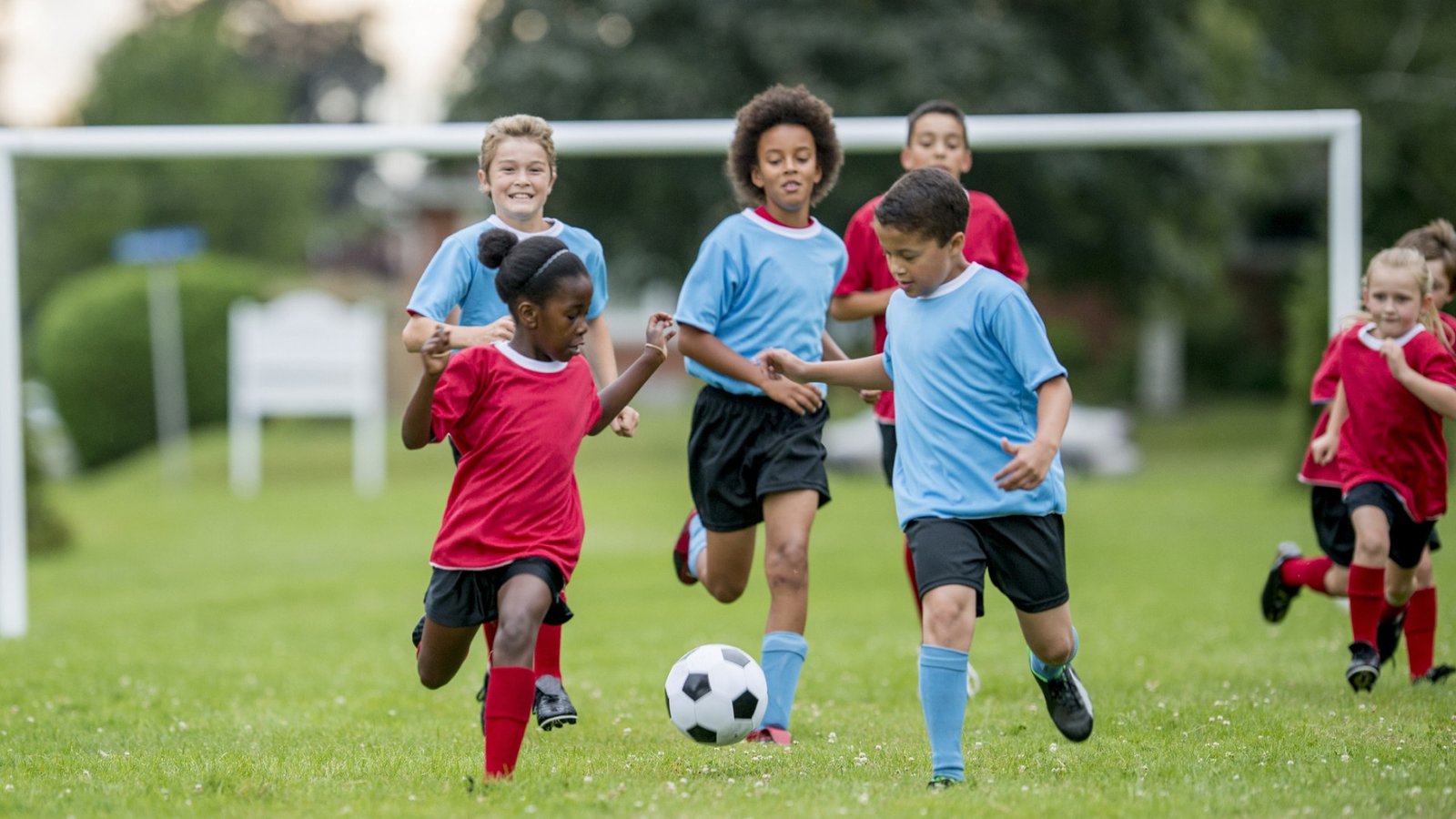
Childhood is full of lessons, but not all of them are taught in classrooms. While math, science, and reading sharpen the mind, sports shape something even deeper — character. For generations, parents, teachers, and psychologists have observed that children who play sports often grow into adults who thrive in both career and life. But what exactly is the “secret trait” sports nurture that links so strongly to adult success? The answer, supported by research and lived experiences, is resilience — the ability to adapt, persevere, and bounce back from challenges.
Sports, whether team-based or individual, act as a training ground for resilience and many related qualities like discipline, teamwork, and leadership. In this article, we’ll explore how childhood sports help build this trait, why it matters so much for adulthood, and how parents can encourage children to benefit from it.
Why Sports Are More Than Just Games
On the surface, sports are about competition, physical activity, and fun. But beneath the scoreboard lies a rich environment where kids practice handling failure, making decisions under pressure, and working toward long-term goals. These aren’t just athletic skills — they’re life skills.
Unlike video games or classroom tests, sports put kids in real-world situations where emotions run high, mistakes happen, and persistence is required. Missing a goal, losing a match, or facing a tough opponent teaches children how to handle setbacks with grace. These experiences, repeated over time, build resilience — the trait that later translates into career growth, healthy relationships, and personal fulfillment.
Resilience: The Hidden Key to Adult Success
Resilience is the ability to face challenges, adapt to difficulties, and continue pushing forward despite setbacks. In adult life, this trait shows up everywhere:
- Career growth – Handling workplace stress, learning from mistakes, and staying focused on long-term goals.
- Relationships – Navigating conflicts, compromises, and emotional ups and downs.
- Health & wellness – Committing to healthy habits even when motivation is low.
A child who learns to keep practicing after losing a game is essentially rehearsing for future challenges — like reapplying after a job rejection or bouncing back from a financial setback.
How Sports Build Resilience in Kids
Learning to Handle Failure
Sports guarantee one thing: not every game ends in victory. Losing a match teaches children that failure isn’t final but an opportunity to improve. This mindset becomes invaluable later in life.
Discipline Through Practice
Showing up for practice even when tired or distracted instills discipline. Children realize that consistent effort, not quick wins, leads to long-term results.
Working Under Pressure
Whether it’s scoring a penalty kick or running a relay, kids learn how to perform while under stress. This experience mirrors the pressure adults face in exams, job interviews, or big presentations.
Balancing Individual and Team Goals
In team sports, children discover the balance between personal achievement and collective success — a lesson directly applicable to workplace collaboration.
Other Important Traits Sports Teach Kids
Resilience may be the centerpiece, but it’s not the only benefit. Sports cultivate a range of traits that prepare children for adulthood:
- Confidence – Small victories and skill mastery build self-esteem.
- Leadership – Taking responsibility on the field translates into guiding teams at work.
- Time Management – Balancing school, practice, and family teaches prioritization.
- Emotional Intelligence – Sports develop empathy, communication, and respect for opponents.
Real-Life Example: Michael Jordan’s Story
Few stories illustrate resilience better than that of Michael Jordan. Famously cut from his high school basketball team, Jordan could have quit. Instead, he used the setback as motivation, practicing harder and transforming rejection into growth. That resilience carried him into becoming one of the greatest athletes in history.
While most kids won’t become NBA legends, they will face rejection in careers, relationships, and personal goals. Sports give them a safe, structured environment to build that resilience early.
Comparison: Sports vs. No Sports in Childhood
| Trait Developed | Kids Who Play Sports | Kids Without Sports Exposure |
|---|---|---|
| Resilience | Learn through wins/losses | Less practice handling setbacks |
| Confidence | Built from skill mastery | Dependent on academics alone |
| Teamwork | Daily practice in cooperation | Limited to classroom projects |
| Stress Management | Regular exposure in games | May avoid or fear pressure |
Pros & Cons of Kids Playing Sports
Pros
- Builds resilience and discipline
- Improves physical health
- Encourages teamwork and leadership
- Develops time management skills
Cons
- Risk of injury if not supervised
- Pressure from parents/coaches can backfire
- Balancing academics with sports may be tough
The key is moderation and support — sports should empower kids, not overwhelm them.
People Also Ask (PAA)
What is the most important life skill kids learn from sports?
Resilience — the ability to keep trying despite setbacks — is widely seen as the most valuable skill sports teach.
How do sports help with mental development?
Sports improve focus, emotional control, and problem-solving by putting kids in high-pressure, real-time situations.
Do kids who play sports do better in school?
Yes. Studies show that student-athletes often have better grades and higher graduation rates due to discipline and time management.
Are individual sports better than team sports for resilience?
Both build resilience, but in different ways. Team sports emphasize cooperation, while individual sports emphasize self-motivation.
FAQs
Q1: At what age should children start playing sports?
Most experts suggest introducing sports around age 5–7, when kids can understand rules and teamwork.
Q2: What if my child doesn’t like competitive sports?
Non-competitive activities like swimming, martial arts, or dance can still build resilience and discipline.
Q3: How much time should kids spend on sports each week?
The American Academy of Pediatrics recommends around 1 hour of physical activity per day, balanced with academics and rest.
Q4: Can sports help shy children become more confident?
Yes. Regular participation, small achievements, and positive reinforcement help shy kids develop self-confidence.
Q5: What role should parents play in kids’ sports?
Parents should support and encourage rather than pressure children. The goal is growth, not trophies.
Final Thoughts
Sports aren’t just a childhood pastime — they’re a powerful classroom for life. By teaching resilience, discipline, and teamwork, sports prepare children for the realities of adulthood in a way textbooks can’t. Whether your child dreams of becoming a professional athlete or simply enjoys a weekend game, the lessons learned on the field will echo throughout their lives.
The message is clear: when kids play sports, they’re not just chasing a ball. They’re developing resilience — the cornerstone of success in adulthood.