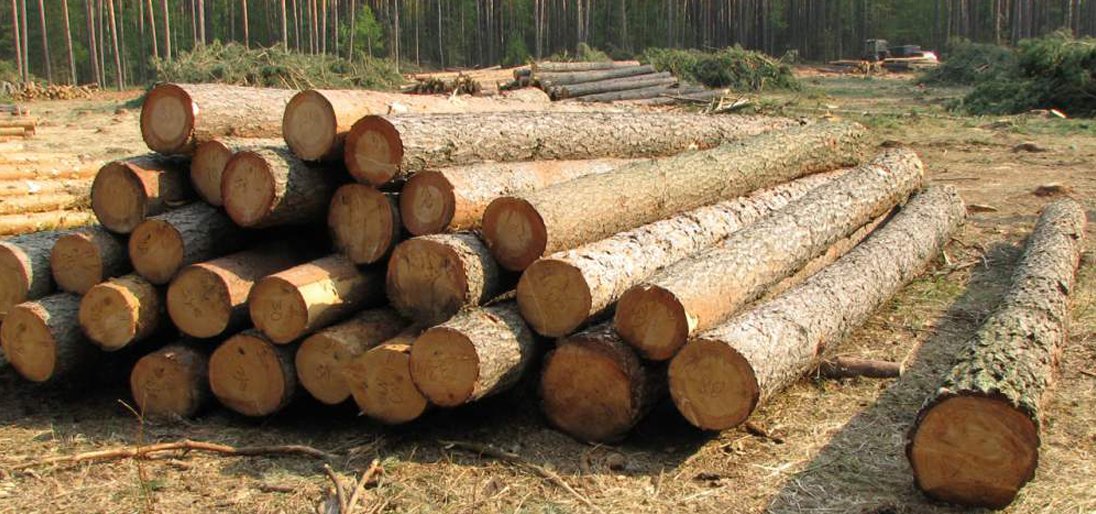
Wood has been humanity’s trusted companion for thousands of years. From the humble campfire to the grand temples of history, timber has shaped civilizations, housed families, and even fueled revolutions. Yet, in our modern world of steel, glass, and concrete, the importance of timber wood remains as strong as ever. Whether you are a builder, a designer, or simply a curious reader, understanding timber wood—its types, uses, and value—is essential.
In this article, we’ll dive deep into the world of timber wood. We’ll explore what it is, the different categories it comes in, its practical applications, and even help you decide which type might suit your project.
What is Timber Wood?
Timber wood refers to processed wood that has been cut and prepared for construction, furniture, or decorative purposes. While the word “timber” often means “wood ready for building” in British English, in American English, it can also mean unprocessed logs.
In simple terms:
- Timber = usable wood material
- Lumber (US) = sawn timber ready for construction
The strength, durability, and beauty of timber make it one of the most versatile natural resources. From rustic cabins to sleek modern furniture, timber continues to adapt to evolving human needs.
Characteristics of Timber
Before diving into the types, let’s look at what makes timber wood so unique.
- Durability: Timber can last decades, especially hardwood species.
- Workability: Easy to cut, shape, and finish.
- Insulation: Provides natural thermal and sound insulation.
- Sustainability: When sourced responsibly, timber is renewable.
- Aesthetics: Its natural grains and colors enhance beauty.
Types of Timber Wood
Timber comes in various forms, broadly categorized into hardwood and softwood.
Hardwood Timber
Hardwoods come from deciduous trees (those that shed leaves annually). They grow slowly, making the wood dense and durable.
Examples include:
- Teak: Resistant to termites and moisture. Popular in furniture.
- Mahogany: Known for reddish-brown elegance and fine grain.
- Oak: Extremely durable, widely used in flooring and cabinetry.
- Walnut: Strong, rich dark color, ideal for luxury interiors.
Softwood Timber
Softwoods come from coniferous trees (evergreens with needles). They grow faster, making them lighter and often more affordable.
Examples include:
- Pine: Easy to work with and economical.
- Cedar: Resistant to decay and insects, great for outdoor use.
- Fir: Common in construction for beams and framework.
- Spruce: Lightweight and often used in paper, crates, and musical instruments.
Comparison: Hardwood vs Softwood
| Feature | Hardwood | Softwood |
|---|---|---|
| Tree Source | Deciduous trees | Coniferous trees |
| Growth Rate | Slow-growing | Fast-growing |
| Density | Dense and strong | Lighter, less dense |
| Cost | Expensive | More affordable |
| Common Uses | Furniture, flooring, shipbuilding | Frames, doors, paneling, paper |
Uses of Timber Wood
Timber wood is not limited to one field—it’s practically everywhere.
1. Construction
Timber is one of the oldest building materials. Even today, timber frames, beams, and flooring dominate in many countries. Its natural insulation makes houses warmer in winter and cooler in summer.
2. Furniture Making
From classic teak wardrobes to modern pine shelves, timber dominates the furniture industry. Each wood type adds its own personality—walnut adds luxury, while oak brings rustic charm.
3. Interior Decoration
Wall paneling, ceilings, staircases, and flooring often feature timber for both durability and beauty. Its grains add natural elegance to modern interiors.
4. Outdoor Applications
Timber is used in decking, fencing, pergolas, and even bridges. Hardwoods like teak and cedar resist weather damage, making them outdoor favorites.
5. Specialty Uses
- Musical instruments: Spruce for violins, maple for guitars.
- Sports equipment: Ash for baseball bats, willow for cricket bats.
- Crafts: Walnut for carvings, cedar for jewelry boxes.
Pros and Cons of Timber
Like every material, timber has strengths and weaknesses.
Pros:
- Renewable and eco-friendly (if sourced responsibly).
- Aesthetic appeal with natural grain patterns.
- Excellent insulator against heat and sound.
- Versatile for various applications.
Cons:
- Vulnerable to termites and moisture without treatment.
- Expensive in the case of hardwoods.
- Requires maintenance (polishing, sealing).
- Can warp or shrink due to humidity changes.
Sustainable Timber: Why It Matters
With deforestation threatening ecosystems, sustainable timber is gaining attention. Look for certifications like FSC (Forest Stewardship Council) or PEFC (Programme for the Endorsement of Forest Certification) when buying timber. This ensures the wood comes from responsibly managed forests.
People Also Ask (PAA)
Is timber and wood the same?
Not exactly. Wood refers to the raw material, while timber is wood processed for construction and use.
What is the best timber for furniture?
Teak, oak, and walnut are among the most popular due to their durability and aesthetics.
Which timber is cheapest?
Softwoods like pine and spruce are usually more affordable compared to hardwoods.
Can timber last outdoors?
Yes, especially cedar, teak, and treated pine. However, proper sealing and maintenance extend their life.
FAQ Section
Q1: How do I maintain timber furniture?
Dust regularly, polish occasionally, and avoid direct sunlight to prevent fading.
Q2: What is engineered timber?
It’s a man-made wood product created by binding wood fibers or veneers. Examples include plywood, MDF, and laminated veneer lumber.
Q3: Is timber eco-friendly?
Yes, when sourced sustainably. Timber is renewable, biodegradable, and stores carbon.
Q4: Which timber is best for flooring?
Oak and teak are highly durable and widely used for flooring.
Q5: Can timber be recycled?
Absolutely. Old timber can be repurposed into furniture, flooring, or used as reclaimed wood.
Final Thoughts
Timber wood is more than just a material—it’s a legacy of craftsmanship, sustainability, and design. Whether you’re furnishing your first home, building a new structure, or simply appreciating the elegance of a handcrafted table, timber remains a timeless choice.
By understanding its types and uses, you can make smarter, more sustainable decisions—while enjoying the warmth and natural charm only timber can bring.