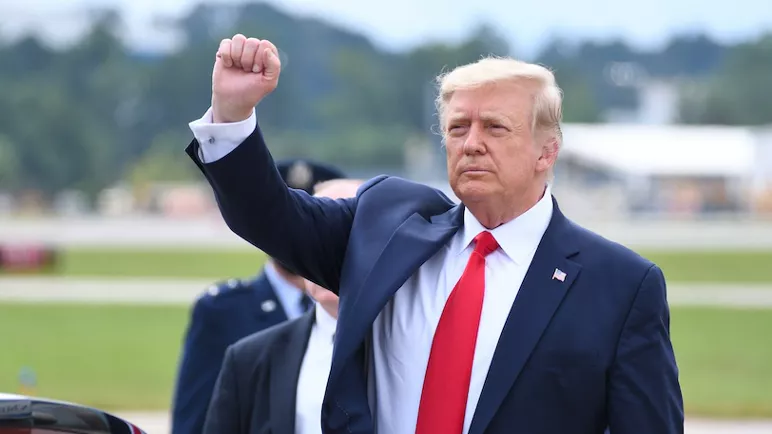
Politics in the United States has always been as much about personality as it is about policy. Campaigns thrive on charisma, confidence, and perception. But in recent years, one factor has received heightened attention from political scientists, journalists, and voters alike—the “masculinity effect” in American politics. This phenomenon reflects how traditional ideas of masculinity influence political campaigns, voter preferences, and even policy agendas.
From presidents known for their rugged images to candidates who project “toughness” over compromise, masculinity continues to shape the political arena. But what does this mean for democracy, inclusivity, and the future of leadership? Let’s dive in.
What Is the Masculinity Effect in Politics?
The masculinity effect refers to how displays of traditional masculine traits—such as toughness, dominance, strength, or aggression—can shape voter perceptions and electoral success. In the U.S., candidates who embody or perform these traits often gain an edge in elections, particularly among voters who associate leadership with “strongman” qualities.
This effect isn’t just about appearance—it extends to rhetoric, policy positions, and public behavior. Politicians who emphasize military strength, border toughness, or aggressive negotiation styles often tap into cultural associations between masculinity and leadership.
A Historical Look: Masculinity and U.S. Leaders
Throughout history, American presidents and candidates have leveraged masculine imagery:
- Theodore Roosevelt cultivated the “rough rider” image, celebrating his cowboy persona.
- John F. Kennedy used his war hero narrative to project youthful vigor and strength.
- Ronald Reagan leaned into cowboy roles from his Hollywood career to reinforce his toughness.
- Donald Trump frequently used combative language, presenting himself as a “fighter” who wouldn’t back down.
In each case, masculinity became more than a personal trait—it was a political strategy.
Why Masculinity Resonates with Voters
Several factors explain why the masculinity effect is so powerful in American politics:
- Cultural Narratives: American culture has long celebrated rugged individualism and frontier toughness. Politicians who embody these traits align with national myths.
- Security Concerns: In times of crisis, voters often prefer leaders who project strength and decisiveness.
- Gender Norms: Traditional associations link masculinity with authority, making it easier for male candidates who “act tough” to appear credible.
- Media Amplification: News outlets often highlight displays of aggression or dominance, reinforcing masculine-coded behaviors as political strengths.
Masculinity and Partisan Politics
Interestingly, the masculinity effect doesn’t play out equally across the political spectrum.
Masculinity in Conservative Politics
Republican candidates often lean heavily on masculine branding, emphasizing:
- Military strength
- Border enforcement
- Economic “hardball”
- Opposition to “woke” culture
This aligns with conservative voters who value traditional gender roles and strong defense policies.
Masculinity in Liberal Politics
Democratic candidates typically walk a finer line. While some embrace masculine toughness (e.g., Barack Obama’s drone strike policies or Joe Biden’s “Scranton toughness” persona), others highlight empathy, cooperation, or inclusivity. The challenge lies in balancing strength without alienating progressive voters who critique traditional masculinity.
Gender, Masculinity, and Female Candidates
The masculinity effect creates unique challenges for women in politics. Female candidates are often judged by a double standard:
- Too “soft,” and they risk appearing weak.
- Too “tough,” and they risk being labeled as unlikable or “shrill.”
Hillary Clinton’s 2016 campaign illustrated this tension. She projected toughness on foreign policy but faced criticism for being “cold.” Meanwhile, candidates like Kamala Harris navigate perceptions by blending empathy with assertiveness.
How Masculinity Shapes Policy
The masculinity effect doesn’t just influence campaigns—it seeps into governance itself. Leaders emphasizing toughness often prioritize policies like:
- Increased defense spending
- Stricter immigration enforcement
- Law-and-order policing
- Harsh rhetoric toward international rivals
While such policies appeal to voters seeking strength, critics argue they can undermine diplomacy, human rights, and social progress.
The Pros and Cons of the Masculinity Effect
| Pros | Cons |
|---|---|
| Projects strength and confidence in leadership | Reinforces outdated gender stereotypes |
| Can reassure voters during crises | Marginalizes softer leadership traits like empathy |
| Appeals to cultural traditions of toughness | Creates barriers for women and non-traditional candidates |
| Strengthens perception of authority | May lead to aggressive or polarizing policies |
Real-Life Example: The 2020 Election
The 2020 presidential race highlighted masculinity’s role. Donald Trump portrayed himself as a “fighter” against elites and “political correctness,” leaning on dominance and aggression. Joe Biden, meanwhile, emphasized empathy but strategically invoked toughness, framing himself as a “scrappy” working-class leader who could stand up to bullies.
This contrast revealed shifting voter expectations—strength mattered, but so did compassion.
People Also Ask (PAA)
Q1: Why is masculinity important in politics?
Masculinity plays a role because voters often associate strength, toughness, and decisiveness with leadership, especially during crises.
Q2: Do women have to act masculine to succeed in politics?
Not necessarily, but research shows women often feel pressure to adopt traits coded as masculine to appear credible, which can create a double standard.
Q3: How does masculinity affect voter behavior?
Voters may favor candidates who display masculine traits, particularly in areas like national security or economic protectionism.
Q4: Can empathy compete with toughness in politics?
Yes. Modern voters increasingly value empathy, particularly among younger and more diverse electorates, though toughness still carries weight.
The Future of Masculinity in American Politics
As American society diversifies and cultural norms evolve, the masculinity effect may face new challenges. Younger generations value inclusivity, emotional intelligence, and authenticity. Leaders who lean too heavily on outdated “strongman” tactics risk alienating these voters.
At the same time, crises—whether wars, pandemics, or economic downturns—can reignite demands for tough leadership. The balance between strength and empathy will likely define the next era of political leadership.
FAQs
1. What is hegemonic masculinity in politics?
Hegemonic masculinity refers to the cultural dominance of traditional male traits (strength, authority, aggression) that shape leadership expectations.
2. Are masculine traits always positive in politics?
Not always. While they can project confidence, overemphasis on aggression can lead to polarization and alienation.
3. Which U.S. presidents leaned most on masculine imagery?
Examples include Theodore Roosevelt, Ronald Reagan, George W. Bush, and Donald Trump, all of whom projected toughness as part of their leadership style.
4. Can female leaders redefine masculinity in politics?
Yes. Many women blend toughness with empathy, reshaping what strength looks like in leadership.
5. Is masculinity in politics declining?
Not entirely. While younger voters embrace alternative leadership models, traditional masculinity still resonates strongly with many American voters.
Final Thoughts
The masculinity effect in American politics reveals how deeply cultural ideas of gender shape democracy. From Roosevelt’s cowboy persona to Trump’s combative style, masculinity has often defined political success. But as societal values shift, leaders who balance strength with empathy, toughness with inclusivity, may ultimately redefine what it means to be a strong leader in the modern era.
American politics, then, isn’t just a battle of policies—it’s a performance of identity. And masculinity, for better or worse, remains center stage